What to buy first for precision cooking, and in what order
Buy a fast instant read thermometer first, before any appliance: a ThermoPop 2 costs about $47 and is the instrument every later purchase depends on. After that the order that compounds fastest is circulator, container and lid, weights, sealer, and heat appliances last, and a starter kit built in that order runs about $250 total.
Buy a thermometer before you buy anything else, including a circulator. A ThermoPop 2 costs $47 and a Thermapen ONE costs $125, and either one is the instrument every later purchase on this page depends on, because a circulator that holds a wrong number precisely is not actually working correctly, and there is no way to know that without a thermometer you trust. After the thermometer, the order that compounds fastest is a circulator, a container with a lid, weights to sink a floating bag, a sealer, and heat appliances last, because an oven already in the kitchen does most of what those appliances do, just more slowly and with less control.
Why buy a thermometer before a circulator, or anything else?
Because a circulator is only as trustworthy as the number you use to check it. A precision cooker holds whatever set point you give it, but nothing about owning one confirms the water actually reached that temperature or that the food inside a bag reached it too. Buying a circulator before a fast instant read thermometer means trusting a display you have no way to verify, on a technique whose entire selling point is that the temperature is exact.
A thermometer also pays off immediately, on food that has nothing to do with sous vide. A one second, half a degree accurate probe improves a roast chicken, a pan seared steak, and a pot of caramel the same evening it arrives, long before a circulator or a sealer is in the kitchen at all. Nothing else on this list does useful work outside its own category the way a thermometer does.
What is the full buying order, and why does it compound?
Each step below makes the one before it more useful rather than replacing it, which is the actual meaning of buying in order instead of buying everything at once. Skipping ahead to a sealer or a heat appliance before the thermometer and the circulator are in place means paying for capability that has nothing yet to improve.
- A thermometer confirms every number the rest of this list produces
- A circulator is the technique itself, and it needs nothing else to start working
- A container and lid stop the bath from evaporating during a long cook
- Weights sink a bag that would otherwise float and trap an insulating pocket of air
- A sealer makes bagging repeatable, though it is not strictly required to begin
- Heat appliances round out the kitchen but duplicate what an existing oven already does
| Step | Item | Why it comes here | Typical price |
|---|---|---|---|
| 1 | Instant read thermometer | Every later purchase gets checked against this | $47 |
| 2 | Circulator | The technique itself; needs nothing else to work | $68 to $169 |
| 3 | Container and lid | Stops evaporation from dropping the water line | $35 |
| 4 | Weights | Sinks a floating bag so the whole cook reaches temperature | $20 |
| 5 | Sealer | Makes sealing repeatable; not required to start | $74 |
| 6 | Heat appliances | An existing oven already does most of this, slower | $250 and up |
Why do a $35 lid and a $20 pack of magnets matter more than their price suggests?
Because they prevent the two failures that actually happen, not the ones that sound dramatic. A bath left uncovered for a long cook loses water to evaporation steadily enough that the level can drop below the circulator's minimum line by the middle of the night, which is how an overnight cook fails silently: the unit shuts itself off long before anyone is awake to notice. A lid cut for the circulator closes that gap for about $35, which is cheap insurance against losing an entire cook.
The second failure is a floating bag. A bag with air still in it rises to the surface, and that trapped air is an insulator, meaning the portion of food sitting inside the pocket never reaches the temperature of the surrounding water. That is not only a texture problem: it means the part of the meal that never reached temperature also never received whatever pasteurization the rest of the cook achieved. A set of weight magnets clips onto the bag and sinks it for about $20, which removes both the texture problem and the safety gap at the same time.
How much does a complete setup cost, built in this order?
A working setup starts at around $250: an Anova Nano circulator, a container with a lid, an external sealer, and a ThermoPop 2, which is the starter precision kitchen build on this site priced item by item. The dedicated sous vide starter kit runs closer to $450 once a proper rack and a full size circulator are added. A buy once setup that adds a real air fryer and a countertop oven on top of the sous vide basics lands around $1,200, detailed on the serious precision kitchen page, and the complete shopping list lays out every item across every build on one page so the order above can be bought in stages rather than all at once.
Why do heat appliances come last on this list?
Because they are the most substitutable items on it. A kitchen without a circulator cannot cook sous vide at all, a kitchen without a lid loses water it cannot get back, and a kitchen without a thermometer cannot verify any of it. A kitchen without a dedicated air fryer or a large countertop oven still has an existing oven that roasts, bakes and broils, just more slowly and with less even heat than a purpose built countertop unit.
That does not make heat appliances a bad purchase, only a later one. They add speed and convenience to a kitchen that already has the instruments and the technique in place, which is a different problem from not being able to cook the food at all. Buying an air fryer before a thermometer solves a problem the kitchen did not have yet, while leaving the one it did have unsolved.
Gear that fits these numbers
Everything mentioned on this page
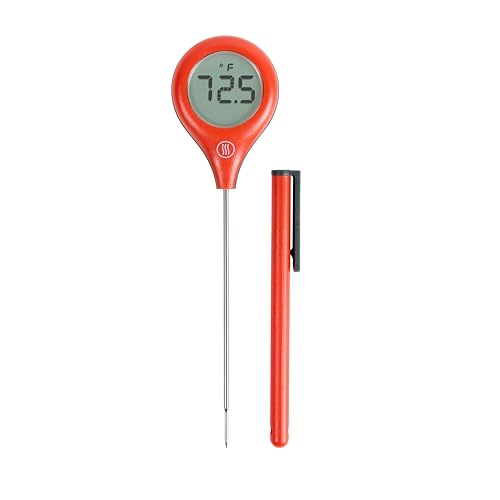
ThermoWorks ThermoPop 2
A third of the Thermapen price for most of the useful accuracy. The right pick if you are buying your first real thermometer.

Anova Precision Cooker Nano 2.0
The cheapest way to find out whether you actually like sous vide. Slower to come up to temperature, and it holds a set point just as well once it gets there.

Anova Precision Cooker 3.0
The default full size circulator: enough wattage to bring a 12 quart bath up quickly and hold it, with app control for long overnight cooks.

EVERIE 12 Quart Sous Vide Container with Hinged Lid
A lid cut for a circulator is the single upgrade that makes long cooks practical: it stops evaporation, which is what drops the water line and trips a low water alarm at hour nine.

TonGass Sous Vide Weight Magnets, 8 Pack
A bag that floats has an air pocket, and an air pocket is an insulated spot where the food never reaches the bath temperature. Magnets fix that for under twenty dollars.

Anova Precision Vacuum Sealer
Small, cheap, and enough for anyone sealing a few portions at a time rather than breaking down a whole animal.
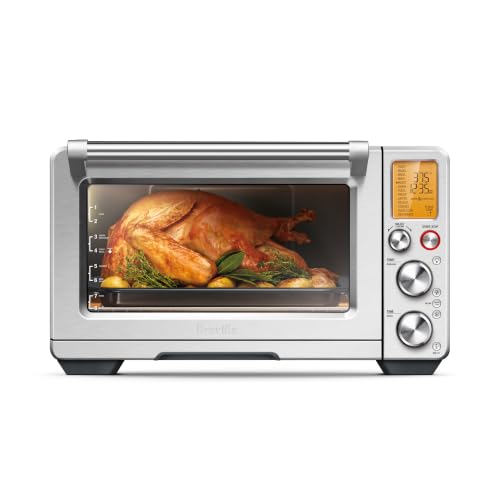
Breville Smart Oven Air Fryer Pro
The countertop oven that behaves like a real oven: element control front to back rather than one heat setting, and enough interior to roast for four.

Ninja Foodi DZ550 DualZone Smart XL Air Fryer, 10 Quart
The DualZone with a cook probe, which is the feature that turns an air fryer from a timer box into something you can actually cook a thick chicken breast in.
Prices when last checked. They change often.
Frequently asked questions
What is the very first thing to buy for precision cooking?
A fast instant read thermometer, before any appliance. A ThermoPop 2 costs about $47 and a Thermapen ONE costs $125, and both are accurate enough to check whether a bath, an oven, or a piece of food actually reached the temperature it was supposed to. Buying a circulator or a sealer before a thermometer means trusting numbers on a display with no way to verify them.
Do I need a vacuum sealer to start cooking sous vide?
No. Water displacement works for short cooks: lower a zip closure bag into the bath and let the rising water pressure push the air out before sealing the last corner above the surface. It is fine for an hour or two of vegetables or a single portion of protein. Long cooks, anything meant for the freezer, and liquids are the point at which a proper sealer earns its cost.
Why is a floating bag a safety problem and not just a texture problem?
Air trapped in a floating bag acts as an insulator, so the part of the food sitting inside that pocket never reaches the temperature of the surrounding water. That means the safety math behind the cook time, based on the whole piece of food reaching a specific temperature, no longer applies to that portion. A few dollars of weight magnets sink the bag and remove the pocket entirely.
What internal temperatures should a thermometer be checking for?
The USDA safe minimum internal temperatures are 165 F for poultry, 160 F for ground meat, 145 F with a three minute rest for whole muscle beef, pork, lamb and veal, 145 F for fish, and 160 F for eggs. Sous vide cooks often hold below these figures for extended times using pasteurization tables from the USDA FSIS Appendix A lethality guidelines, which are not reproduced here and should be checked directly for any hold time below these minimums.
How much should a complete starter setup cost?
About $250 for a build that genuinely works end to end: a compact circulator, a container with a cut lid, an external vacuum sealer, and a fast instant read thermometer. That figure comes from pricing each item at its currently listed cost rather than a rough estimate, and it moves as appliance prices in this category do, so it is worth checking the current total before buying.
Should the container be bought before the circulator?
No, buy them together or the circulator first. A circulator is the part that actually does the work, and a container only matters once one is in the kitchen to clamp onto it. Most circulators are sold without a matching container, so shopping for both at the same time avoids buying a container sized or shaped wrong for the unit that eventually arrives.
Sources
Published figures, quoted as published. We do not generate our own time and temperature data.
How we research: we compare manufacturer specifications, owner manuals, published USDA and FSIS figures and recurring themes in verified owner reviews. We do not cook test batches or run instruments, and nothing here is professional food safety advice. When a figure is not published by a source we trust, we say so rather than estimate one.