Air fryer vs convection oven: which one to buy first
A basket air fryer and a countertop convection oven both crisp food with hot moving air. Here is what actually differs, and which to buy first.
24 head-to-head comparisons across sous vide, vacuum sealing, air frying, pressure cooking, frozen desserts, blending, espresso and thermometry. Each one carries a static comparison table and ends by telling each kind of reader which machine to buy, rather than concluding that it depends.
The most useful comparisons are not between two similar models but between two different mechanisms, which is why several pages here compare approaches rather than products: a chamber sealer against an external one, a Creami against a churn, sous vide against a reverse sear.
A basket air fryer and a countertop convection oven both crisp food with hot moving air. Here is what actually differs, and which to buy first.
Anova Precision Cooker 3.0 vs Anova Nano compared on power, bath size, connectivity and price, and which one actually fits your kitchen.
Anova Precision Cooker 3.0 vs Breville Joule Turbo compared on power, control, size and price, and which one fits a real kitchen better.
A fully automatic bean to cup machine and a semi automatic setup are opposite philosophies, not points on one scale. Here is which fits how you drink coffee.
The Baratza Encore is a filter grinder that cannot hold an espresso fine setting. The Encore ESP can. Here is the difference and which one to buy.
A bowl-lift frame does not flex under a heavy load the way a tilt-head does. Here is what that structural difference means for capacity and everyday use.
The Breville Barista Pro grinds and heats water in about three seconds in one box. The Gaggia Classic Evo Pro needs its own grinder. Here is which to buy.
Chamber and external vacuum sealers handle liquids, cost per bag, and safety differently. Here is the mechanical difference and which one to buy.
A combi steam oven injects real steam, a countertop oven only moves hot air. Here is what steam actually changes and which oven to buy.
Cosori's rear fan and Excalibur's horizontal airflow both dry every tray evenly without rotating. Here is what actually separates them, and jerky safety.
The Scoop and Swirl adds a soft-serve dispensing mechanism the XL Deluxe does not have. Compare programs, pints, and price to see if the upgrade is worth it.
A Creami needs a 24 hour pre-freeze before every pint; a compressor machine like the Whynter needs none. Compare mechanism, batch timing, and price to pick the right one.
The DF64 II is a 64 mm flat burr, single dose, stepless grinder. The Encore ESP is a simpler stepped grinder. Here is the real difference and which to buy.
Induction sets a percentage of maximum wattage and gas burns an open flame beneath the pan. Here is what that means for sauces, searing, and candy at home.
Instant Pot and Ninja both sell electric pressure cookers with a sear step built in. Here is what actually differs, and which one to buy.
MEATER's probe has no cable at all and Typhur's slim probe wires to a display base. Here is which wireless setup fits a roast, oven, or air fryer basket.
The Creami freezes a pint solid and shaves it; the Cuisinart churns a liquid base while it freezes. Two different mechanisms, compared on texture, batch size, and price.
The Ninja Crispi cooks in glass you can store food in, the Foodi DualZone runs two baskets at once. Here is which one fits your household.
Both grind and brew espresso at home. The Ninja Luxe Cafe Premier also makes drip and cold brew; the Breville Barista Express is built around espresso alone.
Sous vide and reverse sear both cook a steak gently before a hard sear. Here is how each works indoors, and which one to use for a given steak.
Stovetop pressure cookers hold a true 15 psi while electric models sit closer to 11 psi, so cook times, safety features, and everyday convenience differ more than the price tag suggests.
The Thermapen ONE reads in about a second and the ThermoPop 2 takes two to three, at less than half the price. Here is which one actually pays for itself.
Vitamix uses a sharp blade and a tamper; Blendtec uses blunt blades and a square jar with pre-programmed cycles instead. Compare the real design difference and pick the right one.
A Ninja blender handles smoothies and ice cream bases at a fraction of Vitamix pricing, but only a Vitamix reliably makes silky nut butter. Compare both to pick the right one.
Gear that fits these numbers

The default full size circulator: enough wattage to bring a 12 quart bath up quickly and hold it, with app control for long overnight cooks.
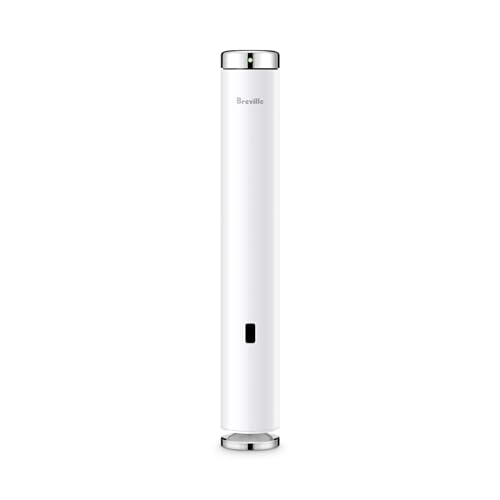
Small enough to live in a drawer and strong enough for a full bath, with the tradeoff that there is no display on the device: the phone is the interface.
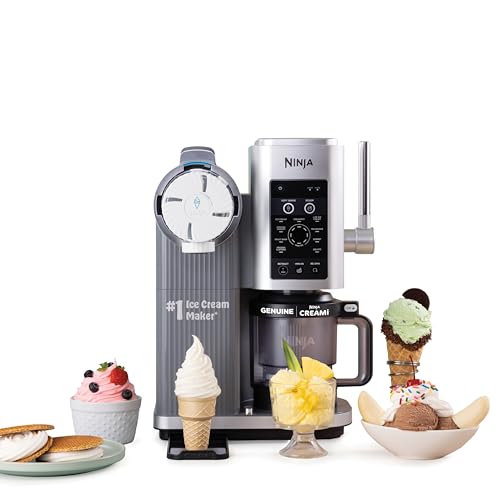
The top of the line: it dispenses soft serve as well as processing a hard pint, which is a genuinely different machine rather than a colour change.
Prices when last checked. They change often.
Yes, for each kind of reader. A comparison that concludes it depends has wasted your time. Every page here names which machine to buy for which use, and where one option is simply better at the same price we say so rather than manufacturing a balance that does not exist.
An external sealer pulls air out through the bag opening, which only works with embossed film and fails on liquids because the liquid travels toward the pump. A chamber machine evacuates the whole box around the bag, uses cheaper smooth film, and handles soup, brine and marinated meat without difficulty. The gap in price is several hundred dollars.
No, and the mechanism is genuinely different. A traditional machine freezes a liquid base while stirring it, whipping in air as it goes. A Creami freezes a pint completely solid for 24 hours and then shaves it with a blade. That is why a Creami needs no pre-frozen bowl and why its output is denser.
A stovetop cooker holds a true 15 psi where most electric models sit nearer 11 psi. Higher pressure raises the boiling point of water, so the pot runs hotter and the same job finishes sooner. As a working conversion, stovetop times run roughly 20 percent shorter than the electric times printed in most recipes.