DF64 II vs Baratza Encore ESP: which espresso grinder to buy
The DF64 II costs $399.00 and is a 64 mm flat burr, single dose, stepless grinder built for anyone chasing repeatable extraction across different beans. The Baratza Encore ESP costs $199.95, uses a 40 mm conical burr across 40 fixed steps, and is the far easier machine to learn espresso on first.
Buy the DF64 II at $399.00 once you have already learned to dial in espresso and are being held back by a grinder that jumps between settings rather than letting you nudge in small increments. Buy the Baratza Encore ESP at $199.95 if this is your first real grinder, because a stepped dial and a hopper are genuinely easier to live with while you are still learning what a good shot even tastes like. The DF64 II costs twice as much and demands a single dose workflow with a scale every time; that cost buys the kind of fine control a beginner does not yet know how to use.
What is actually different between a 64 mm flat burr and a 40 mm conical burr?
Burr size and shape both change how the grinder behaves under load. The DF64 II's 64 mm flat burr set is larger than the Encore ESP's 40 mm conical burr, which lets it grind through the same dose with less heat buildup and generally a narrower spread of particle sizes at a given setting. A flat burr and a conical burr are simply different geometries for cutting beans down to size, and the larger flat burr is the format most single dose, stepless grinders in this price range are built around. Neither difference changes what the machine can do without a good espresso machine behind it; the grinder is only half of getting a shot right.
| DF64 II | Baratza Encore ESP | |
|---|---|---|
| Price | $399.00 | $199.95 |
| Burr | 64 mm flat | 40 mm conical |
| Adjustment | Stepless, continuous | 40 fixed steps |
| Dosing | Single dose, weigh in beans | Hopper fed |
| Best for | Fine tuning across different beans | Learning to dial in espresso |
| Extra gear needed | A scale, every time you grind | A scale, recommended but less critical to the workflow |
What does stepless actually change about dialling in a shot?
The Encore ESP moves between 40 discrete settings, which means there can be a gap where one setting runs a shot too fast and the very next setting runs it too slow, with nothing in between to try. A 1:2 ratio target of an 18 gram dose yielding 36 grams of espresso in 25 to 32 seconds sometimes falls exactly between two of those steps. The DF64 II's stepless collar has no clicks at all, so you can nudge the setting by a hair and land exactly inside that window instead of choosing the lesser of two imperfect options. This matters most with beans that are fussy about grind size, and matters far less with beans that pull a good shot across a wide range of settings.
What does single dose mean and why does it matter here?
Single dosing means weighing in exactly the beans you plan to grind for one shot rather than filling a hopper that sits partly loaded between uses. The DF64 II is built around this: there is no hopper to speak of, so beans never sit exposed to air and light for days at a time, and switching between two different bags of beans does not mean flushing out a chamber of old grounds first. The Encore ESP is hopper fed, which is more convenient for grabbing a scoop and grinding without a scale in hand, at the cost of some stale grounds retention and beans sitting loaded longer than a single dose grinder would allow.
Is the DF64 II actually harder to use day to day than the Encore ESP?
Slightly, yes, and that is a fair tradeoff for the control it offers. Every grind on the DF64 II starts with weighing beans on a scale such as the Timemore Basic 2.0 at $55.00, since there is no hopper to scoop from. The Encore ESP lets you grind straight from a loaded hopper with no scale required for the beans themselves, even though weighing the shot's output still matters on either grinder. For someone making one drink in the morning, that extra step is a few seconds. For someone grinding for a household quickly, the hopper workflow on the Encore ESP is genuinely faster.
So which one should you actually buy?
Buy the Baratza Encore ESP at $199.95 if this is your first grinder or you want the simpler hopper workflow, and pair it with a real espresso machine such as the Gaggia Classic Evo Pro. Buy the DF64 II at $399.00 once you already understand ratio, dose and extraction time and are running into the limits of a stepped adjustment, or if you already own a machine like the Breville Barista Pro and want the grinder to stop being the weakest part of the chain. If $399.00 feels like too big a jump but stepless adjustment still appeals, the DF54 at $229.00 offers the same single dose, stepless design in a smaller 54 mm burr for close to the Encore ESP's price.
Gear that fits these numbers
Everything mentioned on this page

MiiCoffee DF54 Single Dose Grinder
The 54 mm little brother of the DF64, and the cheapest stepless single dose grinder worth buying.

Baratza Encore ESP Coffee Grinder
The cheapest grinder that genuinely holds an espresso grind range. Below this, a good machine is fed by a grinder that cannot dial in.

Timemore Coffee Scale Basic 2.0
Brew ratio is a weight ratio, so a 0.1 gram scale with a timer is the cheapest real upgrade to your espresso.

Gaggia Classic Evo Pro Espresso Machine
A commercial 58 mm portafilter in a home machine, endlessly modifiable, and completely dependent on you owning a real grinder.
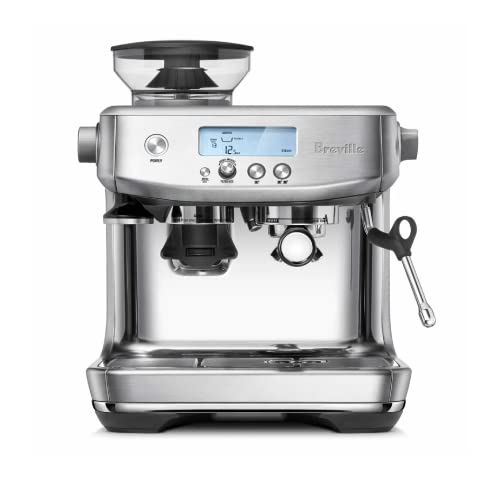
Breville Barista Pro Espresso Machine
The ThermoJet heater reaches brew temperature in about three seconds, which is the real difference from the Barista Express underneath.
Prices when last checked. They change often.
Frequently asked questions
What is the DF54 and how does it compare to the DF64 II?
The DF54 is the smaller sibling in the same lineup, with a 54 mm flat burr instead of the DF64 II's 64 mm, and it shares the same single dose, stepless design at $229.00 against $399.00. It grinds a dose slightly slower than the larger burr, but the fineness control and single dosing workflow are the same, which makes it the cheaper way into stepless espresso grinding.
Do I need a separate scale to use either grinder well?
Yes, for both, but for different reasons. The DF64 II requires a scale just to weigh the beans going in, since it has no hopper. The Encore ESP does not require a scale for the beans, but espresso is measured by weight in and weight out regardless of grinder, so a scale is still necessary to check the shot's yield against its dose on either machine.
Is single dosing more wasteful than using a hopper?
Not in terms of beans used, since you weigh in only what you need for one shot either way. It is slightly slower because it adds a weighing step before every grind, and some single dose grinders leave a small amount of ground coffee behind that never reaches the portafilter. That retained amount is usually smaller than what a hopper fed grinder like the Encore ESP holds between uses.
Can the Baratza Encore ESP be upgraded to stepless later?
No. The stepped adjustment collar is a mechanical part of the Encore ESP's design and cannot be swapped for a stepless one. Anyone who outgrows the 40 fixed steps needs to move to a different grinder built stepless from the start, such as the DF64 II or the smaller DF54, rather than modifying the Encore ESP itself.
Does a bigger 64 mm burr actually change the taste of the shot?
The larger burr on the DF64 II generally produces a narrower distribution of particle sizes at a given setting and runs cooler under load than the Encore ESP's 40 mm conical burr, both of which can support a cleaner extraction. The bean, the roast, and how well the shot is dialled in still matter more than burr size alone, and a well dialled Encore ESP will outperform a poorly dialled DF64 II.
Which grinder retains more stale grounds between beans?
The Baratza Encore ESP, because it is hopper fed and beans sit loaded rather than weighed in fresh each time, along with a small amount of ground retention typical of any hopper design. The DF64 II's single dose design largely avoids this since beans are weighed in immediately before grinding and nothing sits loaded between sessions, though a small amount of ground coffee can still cling to the burr chamber after each dose.
Sources
Published figures, quoted as published. We do not generate our own time and temperature data.
How we research: we compare manufacturer specifications, owner manuals, published USDA and FSIS figures and recurring themes in verified owner reviews. We do not cook test batches or run instruments, and nothing here is professional food safety advice. When a figure is not published by a source we trust, we say so rather than estimate one.