The best espresso grinder for a home bar
The MiiCoffee DF54 at $229.00 is the best overall espresso grinder for most home bars: a 54 mm stepless burr set with single dose dosing at a price below most stepped conical grinders. The Baratza Encore ESP at $199.95 is the cheapest grinder that genuinely holds an espresso grind.
The DF54 at $229.00 is the pick for a home bar, because a stepless single dose grinder removes two problems at once: no grind setting falls between two clicks, and no leftover beans sit in a hopper going stale between pulls. It costs less than the Encore ESP Pro and delivers a genuinely different mechanism, not just a lighter housing.
The three tiers
Every roundup here is built as three genuinely different answers rather than one flat ranking, because that is how people actually shop: a first purchase, a considered upgrade, and a ceiling. The expert pick is not the best pick for most readers, and the section below says who should skip it.
Cheapest real espresso grinder
A 40 mm conical burr with 40 steps inside the espresso range, at $199.95. It is the entry point below which a grinder stops being able to hold a fine enough, consistent enough grind for a naked portafilter shot.
Skip it if: Skip it if you already own a stepped conical grinder like the Baratza Encore and only drink filter coffee: that machine is built for a coarser range and does the filter job better for less.
Baratza Encore ESP Pro Coffee Grinder
The same conical burr family as the base ESP, at $299.95, with meaningfully reduced retention. Less old coffee trapped in the chute matters the moment you switch bags more than once a week.
Skip it if: Skip it if you run one bag of beans for weeks at a time. Retention only costs you when you change beans, so a slower rotation gets little from the upgrade.
MiiCoffee DF64 II Single Dose Grinder
A 64 mm flat burr, single dose, fully stepless, at $399.00. This is the size and geometry that professional cafe grinders use, and it is the point where the grinder stops being the ceiling on shot quality.
Skip it if: Skip it if you pull one or two shots a day and are happy with the DF54. The 64 mm burr set earns its keep on grind speed and particle uniformity, and a light user will not notice either in the cup as much as the price gap suggests.
Gear that fits these numbers
The three picks side by side

Baratza Encore ESP Coffee Grinder
The cheapest grinder that genuinely holds an espresso grind range. Below this, a good machine is fed by a grinder that cannot dial in.
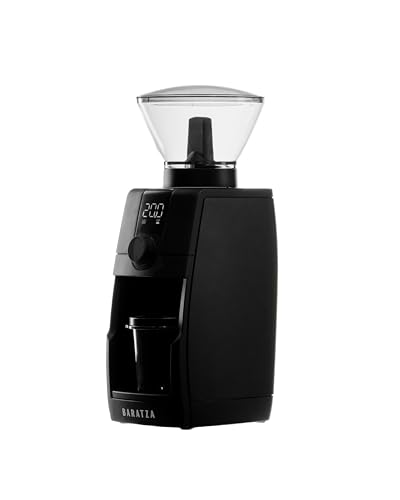
Baratza Encore ESP Pro Coffee Grinder
The Pro version of the ESP, with lower retention, which matters when you change beans often rather than run one bag for a month.

MiiCoffee DF64 II Single Dose Grinder
A 64 mm flat burr, single dose, stepless. This is the point where the grinder stops being the limit on your shot.
Prices when last checked. They change often.
Why does the grinder matter more than the espresso machine?
Espresso is the one brew method where particle size distribution decides the shot before water ever touches the puck. A blade grinder or a cheap stepped burr produces a wide spread of particle sizes: some fines that choke flow and some boulders that water races past. Both problems show up in the cup as the same symptom, a sour, thin shot pulled too fast or a bitter, over-extracted one pulled too slow, and no amount of machine adjustment fixes a grind spread that a $2,000 espresso machine cannot compensate for.
- A conical or flat burr set narrows that spread, which is the entire value proposition of a real grinder.
- Stepless adjustment lets you land between two clicks instead of jumping past the setting you actually want.
- Single dose grinders like the DF54 and DF64 II also remove stale beans sitting in a hopper as a variable.
Conical burrs versus flat burrs: is one actually better?
The Encore ESP and Encore ESP Pro both use 40 mm conical burrs. The DF54 and DF64 II use flat burrs at 54 mm and 64 mm. Conical burrs tend to produce a slightly wider particle spread with more visible fines, which some drinkers read as heavier body. Flat burrs produce a more uniform particle size at the cost of a bit more surface heat during grinding at speed. Neither is objectively correct: the honest answer is that burr geometry changes the shot's character more than it changes whether the shot succeeds, and a well maintained grinder of either type will out-perform a poorly maintained one of the other.
| Model | Burr | Dosing | Price |
|---|---|---|---|
| Encore ESP | 40 mm conical | Hopper fed | $199.95 |
| Encore ESP Pro | 40 mm conical, reduced retention | Hopper fed | $299.95 |
| DF54 | 54 mm flat | Single dose | $229.00 |
| DF64 II | 64 mm flat | Single dose | $399.00 |
Do I need single dose grinding, or is a hopper fine?
A hopper holds a supply of beans against gravity, which is convenient and also the reason beans near the bottom of a full hopper can sit for a week or more before they are ground. Single dose grinders like the DF54 and DF64 II take exactly the beans you weigh out for one shot and grind only those, so nothing ages inside the machine between pulls. The tradeoff is a slower workflow: you weigh beans before every shot rather than scooping from a full hopper. For a single drinker pulling one or two shots a day, that extra thirty seconds is a fair trade for beans that are never more than a day or two off the roast date. For a household running the grinder five or six times a morning, a hopper fed machine like the Encore ESP moves faster.
Whichever grinder you buy, two cheap accessories remove the remaining variables: a coffee scale to weigh dose and yield instead of eyeballing it, and a calibrated tamper so tamp pressure stops being a guess.
How much does a full grinder-plus-machine budget actually run?
Pairing a bare portafilter machine with a real standalone grinder from the start usually beats spending the same total on one machine with a mediocre built in burr set. A Gaggia Classic Evo Pro at $499.00 plus the Encore ESP at $199.95 comes to roughly $700 before accessories, which lands close to the price of a mid-range all-in-one machine, but with a genuinely upgradeable grinder rather than a fixed built in unit. Add a coffee scale and a calibrated tamper for another $60 to $70 combined, and the whole bar is under $800 with room to swap the grinder alone later if the machine still has life left in it.
What about the grinder built into my espresso machine?
Built in grinders on machines like the Barista Express or the La Specialista Arte Evo are genuinely good enough for daily espresso, and they are the reason those machines cost what they do. A dedicated standalone grinder earns its place once you own a machine with no grinder at all, such as a Gaggia Classic Evo Pro, or once you find yourself wanting finer adjustment steps than the built in unit offers. Pairing a bare portafilter machine with a real grinder from the start, rather than a machine with a mediocre built in one, is usually the better use of the same total budget.
How we chose
These picks come from published burr sizes, step counts and retention specifications from the manufacturers, cross-checked against recurring themes in verified owner reviews on burr consistency and retention complaints. We did not grind coffee on these machines ourselves. Prices are pulled from current listings and change often, which is why every price here is stated next to the date it was checked rather than treated as fixed.
Gear that fits these numbers
Everything mentioned on this page
Baratza Encore ESP Coffee Grinder
The cheapest grinder that genuinely holds an espresso grind range. Below this, a good machine is fed by a grinder that cannot dial in.
Baratza Encore ESP Pro Coffee Grinder
The Pro version of the ESP, with lower retention, which matters when you change beans often rather than run one bag for a month.
MiiCoffee DF64 II Single Dose Grinder
A 64 mm flat burr, single dose, stepless. This is the point where the grinder stops being the limit on your shot.

Baratza Encore Coffee Grinder
Excellent for filter and press, and not fine or consistent enough for espresso. The ESP version exists for exactly that reason.

Timemore Coffee Scale Basic 2.0
Brew ratio is a weight ratio, so a 0.1 gram scale with a timer is the cheapest real upgrade to your espresso.

Normcore 58 mm Spring Loaded Tamper
A calibrated tamper removes tamp pressure as a variable, which is worth doing before you start chasing grind settings.

Breville Barista Express Espresso Machine
The machine that made home espresso normal. Built in grinder, manual tamp, and a steam wand you have to learn rather than a button.

De'Longhi La Specialista Arte Evo
A built in grinder and a manual wand, which is the combination most people actually want at this price.

Gaggia Classic Evo Pro Espresso Machine
A commercial 58 mm portafilter in a home machine, endlessly modifiable, and completely dependent on you owning a real grinder.
Prices when last checked. They change often.
Frequently asked questions
What is the real difference between a filter grinder and an espresso grinder?
A filter grinder like the Baratza Encore adjusts across a coarse range built for drip and press, and its steps are too far apart once you move into the fine settings espresso needs. An espresso grinder such as the Encore ESP uses the same body with burrs and a step range built for that fine end. Using a filter grinder for espresso usually means the finest setting still is not fine enough for a slow, even shot.
Is a single dose grinder worth the slower workflow?
For anyone who drinks one or two shots a day, yes: weighing out beans before each shot on a machine like the DF54 takes under a minute and guarantees nothing sits stale in a hopper. For a household pulling five or six shots each morning, a hopper fed grinder like the Encore ESP moves through that routine faster, and the freshness difference matters less when beans turn over within a day or two anyway.
Can a cheap blade grinder work for espresso?
Not reliably. A blade grinder chops rather than crushes, producing a very wide mix of powder and chunks in the same batch. Espresso needs a narrow, consistent particle size to resist water pressure evenly, and a blade grinder cannot produce that no matter how long you run it. Any of the burr grinders here, starting with the Encore ESP at $199.95, will out-perform a blade grinder immediately.
What is retention and why does the Encore ESP Pro exist?
Retention is the small amount of ground coffee that stays trapped in a grinder's chute and burr chamber after a dose. On a hopper fed grinder that mostly matters when you switch beans, since old grounds from the last bag mix into the new one. The Encore ESP Pro reduces that carryover compared with the base Encore ESP, which is worth paying for if you rotate beans often and not worth it if you run one bag for weeks.
How often does an espresso grinder need cleaning?
Burrs benefit from a brush-out every one to two weeks of regular use to clear built-up coffee oil and fines, and a full disassembly with a burr cleaning tablet every one to three months depending on volume. Single dose grinders like the DF54 and DF64 II need this less often since no beans sit long enough to build up rancid oil, but the chute and burr faces still collect fines that affect consistency over time.
Should I buy a grinder before or after the espresso machine?
Buy the grinder first if the budget forces a choice. A mediocre grinder limits every shot from a great machine, while a great grinder paired with an entry machine like a Gaggia Classic Evo Pro still produces a genuinely good espresso. See the compare page on the DF64 II against the Encore ESP for how the two grinder families stack up head to head.
Sources
Published figures, quoted as published. We do not generate our own time and temperature data.
How we research: we compare manufacturer specifications, owner manuals, published USDA and FSIS figures and recurring themes in verified owner reviews. We do not cook test batches or run instruments, and nothing here is professional food safety advice. When a figure is not published by a source we trust, we say so rather than estimate one.