
Ninja
Ninja CREAMi XL Deluxe 11-in-1
XL tubs hold 24 ounces against the standard 16, which is the difference between one dessert and four.
A Ninja Creami pint costing about $2.50 in ingredients against a $6 store pint saves $3.50 a time, so a $239 machine pays for itself in about 69 pints. Ingredient cost per serving is simple arithmetic; the appliance only pays back if you actually use it.
The formula
cost per serving = ingredient cost / servings with the appliance amortised: = ingredient cost / servings + appliance cost / (batches x servings) break-even batches = appliance cost / (saving per batch)
The honest version of this calculation includes the appliance, because a machine used twice is an expensive dessert and a machine used weekly is a genuine saving. Running the number before buying is the point.
Gear that fits these numbers
Ice cream, espresso, stock and dried fruit are the four categories where doing it at home genuinely undercuts buying it, provided the machine gets used.
XL tubs hold 24 ounces against the standard 16, which is the difference between one dessert and four.

The default full size circulator: enough wattage to bring a 12 quart bath up quickly and hold it, with app control for long overnight cooks.

A rear mounted fan dries every tray at the same rate, which is why you do not have to rotate trays the way stacked round dehydrators demand.

The one almost everyone starts with, and still the right answer for beans, stock and tough cuts.
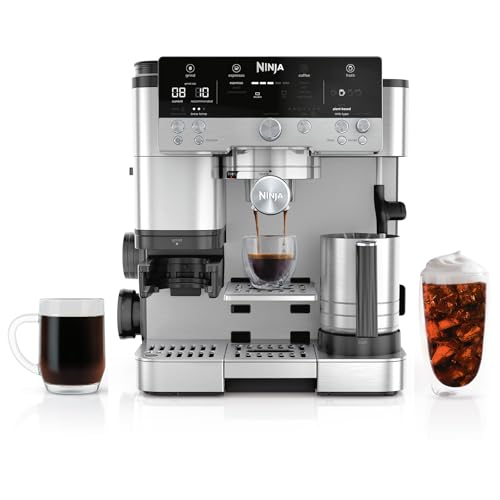
The cheaper Luxe Cafe, and the entry point to a machine that grinds and brews espresso and also makes a pot of coffee.

The cheapest grinder that genuinely holds an espresso grind range. Below this, a good machine is fed by a grinder that cannot dial in.
Prices when last checked. They change often.
The gap between ingredient cost and retail price is what decides this, and it varies enormously. A pint of premium ice cream costs a few dollars in dairy and sugar against six or more in a shop, so a Creami pays back inside a year of weekly use. Espresso is similar: a cafe drink is several dollars where the beans in it are well under one.
Sous vide is different. It rarely saves money on ingredients, because you are cooking the same cut you would have cooked anyway. What it buys is a cheaper cut made good, which is a real saving but a less direct one.
Every break-even calculation assumes the batches keep coming. The honest failure mode for kitchen appliances is not that the arithmetic was wrong, it is that the machine ended up in a cupboard after six weeks. Put a realistic number in the batches field rather than an aspirational one, and if the payback needs three years of weekly use, that is worth knowing before rather than after.
Divide the total ingredient cost of a batch by the number of servings it makes. To include the machine, add the appliance cost divided by the total number of servings you expect to get from it over its life. The second figure is the one people skip, and it is what turns an apparent saving into a real one or not.
At roughly $2.50 in ingredients against a $6 store pint, the saving is $3.50 per pint, so a machine costing $239 breaks even at about 69 pints. At one pint a week that is sixteen months. The arithmetic is simple; the variable that actually decides it is whether you keep making pints.
Not on ingredients directly, since you cook the same cut either way. The saving comes from cheaper cuts becoming worth eating: a chuck roast held for twenty four hours reaches a texture that would otherwise need a far more expensive piece of meat. That is real, but it shows up as better food at the same cost rather than a lower bill.
For most of these appliances it is small enough to ignore against ingredient cost, with one exception. A long sous vide cook or a twenty hour dehydrator run draws modest power for a long time, and at high electricity rates that can reach a meaningful fraction of the ingredient cost. It is worth a look if you run either regularly.
It can be, if it lasts longer or produces more per batch. A machine at twice the price that runs for ten years instead of three is cheaper per serving despite the sticker. The honest caveat is that durability is hard to verify before buying, and a longer warranty is evidence of a manufacturer expectation rather than a guarantee.
How this calculator works: it applies the formula above to the numbers you enter. Where a figure is published by the USDA or FSIS we quote it and name the source. Where a figure is derived from a physical model we say so and state the assumptions. Where we have no defensible figure the calculator returns nothing and tells you why, rather than guessing. This is researched general information, not professional food safety advice.