Stovetop vs electric pressure cooker: which one to buy
A stovetop pressure cooker like the Presto 6 Quart holds a true 15 psi and finishes most cuts in roughly 80 percent of the time an electric model such as the Instant Pot Duo needs at its usual 10.2 to 11.6 psi. Most home cooks should still buy the electric model for the walk-away timer and automatic pressure regulation; buy stovetop only if you already cook on the stove and want the fastest possible time.
For most kitchens the right buy is the Instant Pot Duo at $109.99. It regulates its own pressure, holds it without anyone standing over the burner, and comes with a timer and keep-warm cycle that a stovetop pot simply does not have. The Presto 6 Quart at $98.99 is the better buy only for a specific reader: someone who already cooks on gas or a strong electric burner every night and wants the shortest possible time to dinner, and who does not mind adjusting the burner by ear to hold a steady rock on the weighted valve.
What is actually different between them
A stovetop pressure cooker is a sealed pot with a weighted or spring valve sitting on your own burner. You control the heat, and the valve holds a true 15 psi once it starts rocking or hissing steadily. An electric pressure cooker like the Instant Pot Duo or the Ninja HyperHeat has its own heating element and a sensor that regulates pressure automatically, but that regulation typically settles closer to 10.2 to 11.6 psi rather than the stovetop's 15.
That five percent gap in absolute pressure sounds small and is not. Higher pressure raises the boiling point of the water inside the pot further above 212 F, and a hotter interior cooks food faster. It is the single reason stovetop times run shorter across nearly every ingredient, not a difference in pot quality or brand.
How much faster is stovetop, really
The gap is consistent enough to plan around: stovetop times generally run about 80 percent of the equivalent electric time at high pressure. That is arithmetic, not a rule of thumb specific to one brand, and it holds whether the food is beans, rice, or a tough roast.
| Food | Electric (11 psi) | Stovetop (15 psi) |
|---|---|---|
| Beef chuck roast, 3 lb | 60 to 75 min | 48 to 60 min |
| White rice, long grain | 3 to 4 min | 2 to 3 min |
| Chicken thighs, bone in | 12 to 15 min | 10 to 12 min |
| Dried pinto beans, soaked | 8 to 10 min | 6 to 8 min |
Altitude changes the math for both
Water boils at a lower temperature the higher you go, which weakens every pressure cook regardless of which cooker built the pressure. The adjustment is the same rule for stovetop and electric alike: add 5 percent to the cooking time for every 1,000 feet above 2,000 feet in elevation. A 60 minute electric cook at 5,000 feet needs roughly 15 percent more time, or about 69 minutes, before you switch to natural release.
Because stovetop times start shorter, the added minutes at altitude are smaller in absolute terms even though the percentage is identical. A 48 minute stovetop chuck roast at 5,000 feet gains about 7 minutes; the 60 minute electric version at the same elevation gains about 9.
Safety and how much attention each one needs
An electric cooker like the Instant Pot Pro Plus locks its own lid, releases steam on a schedule you set, and shuts off or drops to keep-warm without anyone touching it. That is the entire argument for buying one as a first pressure cooker: it removes the judgment call of watching a rocking weight.
A stovetop unit like the T-fal Clipso needs a cook adjusting the burner to keep the valve at a steady rock, not a violent shake and not silence. Once you know that rhythm it becomes fast and intuitive, and the tradeoff is that you cannot leave the kitchen for the first several minutes of a cook the way you can with an electric model.
Which one should you buy
Buy the electric Instant Pot Duo if this is your first pressure cooker, if you want to start a cook and walk away, or if you like having a single appliance that also sears and slow cooks. Buy the Instant Pot Pro Plus instead if you want adjustable pressure levels and a genuinely quiet release on top of the same hands-off design.
Buy the stovetop Presto 6 Quart or the T-fal Clipso if you already cook on the stove most nights, want the shortest possible time to a finished pot of beans or a braise, and do not mind the few minutes of attention it takes to bring the valve up to a steady rock. Do not buy stovetop expecting it to double as a canner: pressure cooking and pressure canning are different processes with different equipment requirements, and this comparison covers cooking only.
Gear that fits these numbers
Everything mentioned on this page

Presto 6 Quart Stainless Steel Pressure Cooker
A stovetop cooker runs at a true 15 psi where electrics sit near 11, which is why stovetop times are shorter than every electric chart you will read.

T-fal Clipso Stainless Steel Pressure Cooker, 6.3 Quart
The stovetop to buy if the lid alignment on traditional designs puts you off: it closes with one hand and no lining up.
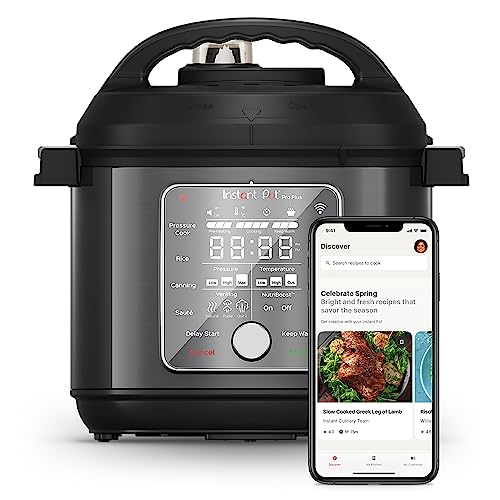
Instant Pot Pro Plus, 6 Quart
Adjustable pressure levels and a genuinely quiet steam release, which is the upgrade you notice every single cook.
Prices when last checked. They change often.
Frequently asked questions
Is a stovetop pressure cooker actually faster than an electric one?
Yes, by a consistent margin. A stovetop unit holds a true 15 psi against roughly 11 psi in most electric models, and the higher pressure raises the internal temperature enough that stovetop times generally run about 80 percent of the equivalent electric time. A 60 minute electric chuck roast finishes in roughly 48 to 50 minutes on the stovetop, all else equal.
Can I use a pressure cooker to can vegetables or meat?
No. Pressure cooking and pressure canning are different processes that use different validated equipment and hold times, and a home pressure cooker built for dinner is not designed or tested for sealing jars shelf stable. This page covers cooking food for a meal, not preserving it for storage, and does not cover canning procedure.
Do I need to adjust cooking time at high altitude?
Yes, and the same rule applies to both cooker types: add 5 percent to the cook time for every 1,000 feet of elevation above 2,000 feet. At 6,000 feet that means adding about 20 percent to whatever time a recipe or chart gives at sea level, whether the cooker is stovetop or electric.
Which style is safer for a first-time buyer?
An electric model such as the Instant Pot Duo is the easier first cooker because it regulates pressure and releases steam on a set schedule without anyone adjusting a burner by ear. A stovetop cooker is just as safe once you learn to hold a steady rock on the valve, but that judgment call is the part a beginner has to build over a few cooks.
Do stovetop and electric pressure cookers use the same recipe times?
No. A recipe written for one runs long or short on the other because the pressures differ. Treat any electric pressure cooker time as a starting point and reduce it by about 20 percent when using a stovetop cooker at a true 15 psi, then check doneness before assuming the shorter time is exact.
Does a bigger electric pressure cooker cook any faster?
No, capacity and speed are unrelated. A larger pot such as the 7.5 quart Instant Pot Rio Wide holds more food but regulates the same pressure as the 6 quart Duo, so identical cuts take the identical time in either size. Buy for capacity based on how much you cook at once, not for speed.
Sources
Published figures, quoted as published. We do not generate our own time and temperature data.
How we research: we compare manufacturer specifications, owner manuals, published USDA and FSIS figures and recurring themes in verified owner reviews. We do not cook test batches or run instruments, and nothing here is professional food safety advice. When a figure is not published by a source we trust, we say so rather than estimate one.