Chamber vacuum sealer vs external vacuum sealer: which to buy
A chamber sealer such as the Avid Armor USV20 at $319.00 evacuates the whole sealing chamber, so it seals soup, brine, and marinated meat without pulling liquid into a pump. An external sealer such as the FoodSaver with Automatic Bag Detection at $184.99 costs less and is the right choice for dry, portioned food where liquids are not part of the job.
Buy the chamber sealer if sous vide is more than an occasional dinner. The Avid Armor USV20 costs $319.00, evacuates the entire box rather than sucking air through a bag opening, and is the only realistic way to vacuum seal a marinating steak, a batch of stock, or a brine without a mess on the counter. If you are sealing dry cuts of meat and vegetables a few times a month, the FoodSaver with Automatic Bag Detection at $184.99 does that job well and for less money. The two machines are not interchangeable once liquids enter the picture, which is the entire reason this comparison exists.
What is actually different about how these two machines pull a vacuum?
An external sealer clamps the open end of the bag and sucks air out through that opening with a pump, then welds the bag shut while the pump is still running. Everything inside the bag, including any liquid, is pulled toward that opening because that is where the air is leaving from. A chamber sealer works the other way around: the whole bag, open end and all, sits inside a sealed box, and the pump pulls air out of the box itself. Air leaves the bag because the pressure around it dropped, not because something is sucking through the opening, so liquid inside the bag has nowhere it is being pulled toward.
- External: air is pulled through the bag opening by a pump connected to a hose or nozzle
- Chamber: air is pulled out of a sealed box that the entire open bag sits inside
- The bag material differs too: external bags are embossed with channels like Wevac quart bags so air can travel to the opening, while chamber bags such as Avid Armor's chamber pouches are smooth because they do not need channels at all
| Chamber sealer | External sealer | |
|---|---|---|
| Example | Avid Armor USV20, $319.00 | FoodSaver auto, $184.99 |
| How it pulls air | Evacuates the whole sealed box | Sucks through the bag opening |
| Liquids | Yes, safely | Gets pulled into the pump |
| Bag type | Smooth, chamber only, cheaper per bag | Embossed, needed for the pump to work |
| Cost per bag | Roughly half of embossed roll stock | Higher, embossed film costs more |
| Footprint | Larger, sits on the counter permanently | Smaller, easy to store in a drawer |
Can an external sealer handle soup, marinade, or a wet brine at all?
Not reliably, and the failure mode is not subtle. The moment liquid reaches the bag opening on an external sealer, it gets pulled toward the pump along with the air. A small amount fouls the seal, which shows up as a weak weld that leaks in the freezer weeks later. A larger amount reaches the pump itself, which is an expensive way to end the life of the machine. Some external sealers, including the Anova Sealer Pro at $100.99, add a wet mode that pulls a shorter and gentler vacuum specifically to reduce this risk, and that helps with a lightly marinated steak. It does not help with actual soup or a stock reduction: for that, the bag needs to stay outside the path of the pump entirely, which is exactly what a chamber machine does.
Which one costs less to run once you account for bags?
The machine price is the smaller number over a year of regular use. Embossed roll stock for an external sealer, like the bag sizing for soup or stock shows, runs noticeably more per square inch than smooth chamber film because the embossing itself costs more to produce. A household sealing several pounds of meat a week will spend the difference in bag cost within a year or two, at which point the chamber machine's higher purchase price stops being the deciding number.
- External roll stock: Wevac's 150 foot roll keeps the per bag cost down, but it is still embossed film
- Chamber pouches: Avid Armor's 3.5 mil chamber pouches are smooth and cost less per bag at the same thickness
- A once a month sealer will never earn back the price gap; a once a week sealer usually does inside two years
Is a vacuum sealed bag actually safe to store, and does the sealer type change that?
A vacuum bag is an anaerobic environment: removing the air also removes the oxygen that keeps most spoilage bacteria in check, and that is a genuine botulism consideration if the food inside was handled improperly before sealing. Neither a chamber sealer nor an external sealer changes that fact, because the risk comes from time and temperature before sealing and during storage, not from which pump pulled the air out. Food should be cooled quickly, kept out of the 40 F to 140 F danger zone for more than two hours total, and refrigerated or frozen promptly after sealing. A sealer of either kind is a storage and cooking tool, not a substitute for safe handling, and neither the Avid Armor nor the FoodSaver changes what happens inside the bag once it is sealed.
So which one should you actually buy?
If you cook sous vide most weeks, batch cook stock or soup, or marinate meat before sealing it, buy the Avid Armor USV20 and stop fighting an external machine that was never built for liquids. If you seal dry portions of meat, cheese, or vegetables a few times a month and rarely touch anything wet, the FoodSaver Compact at $69.99 or the automatic FoodSaver at $184.99 will do the job for less money and less counter space. If your kitchen is somewhere in between, the wet mode on the Anova Sealer Pro buys some margin for lightly marinated food without the jump to a chamber machine. There is no version of this decision where you need both types on day one; buy the one that matches what you actually seal most weeks.
Gear that fits these numbers
Everything mentioned on this page

FoodSaver Vacuum Sealer with Automatic Bag Detection
The bag detection is the feature that earns its keep in daily use: you stop guessing at moist versus dry settings and stop wasting bags on a failed seal.

Anova Precision Vacuum Sealer Pro
A wet mode that pulls a shorter, gentler vacuum is what lets an external sealer handle a marinated steak without sucking liquid into the pump.
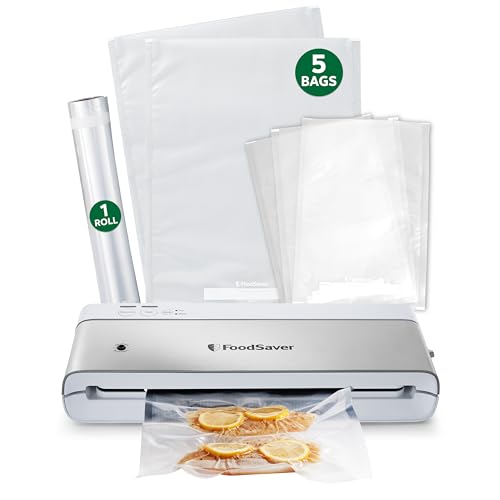
FoodSaver Compact Vacuum Sealer
The entry FoodSaver. It seals a dry bag reliably and struggles with anything wet, which is the honest limit of every cheap external sealer.

Wevac Pre-Cut Vacuum Sealer Bags, Quart, 200 Count
Pre-cut quart bags are the right default for single portions: cutting from a roll costs you a seal at each end and about four inches of film.
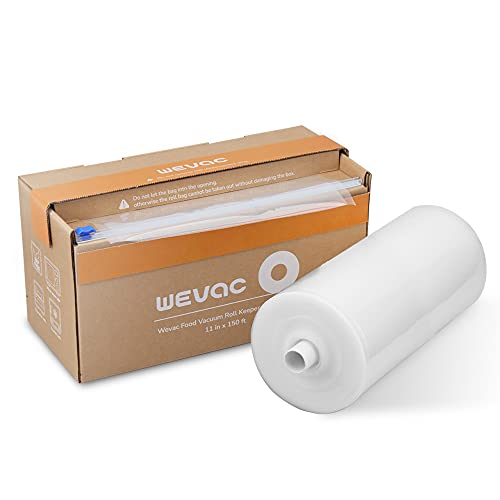
Wevac Vacuum Sealer Roll, 11 by 150 Inch
Buying roll stock by the 150 feet drops the per bag cost enough to change how freely you seal things.

Avid Armor Chamber Vacuum Sealer Pouches, 3.5 mil
Chamber bags are smooth and cheaper per bag than embossed film, and they only work in a chamber machine. Mixing the two up is the most common first week mistake.
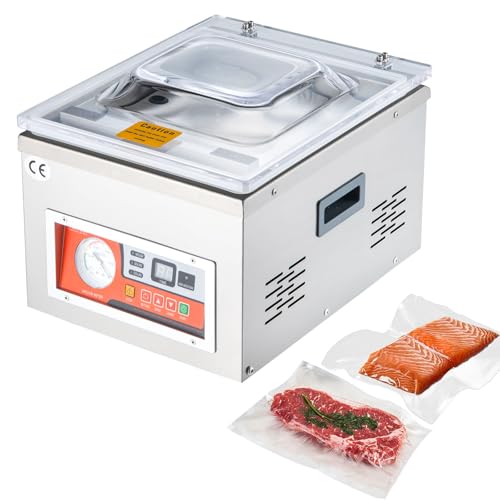
VEVOR Chamber Vacuum Sealer, 10.2 Inch
The cheapest genuine chamber machine worth owning, and the entry point at which sealing liquids stops being a fight.
Prices when last checked. They change often.
Frequently asked questions
Can I put an embossed external sealer bag in a chamber sealer?
Yes, an embossed bag will seal in a chamber machine, but it is a waste of money since chamber machines do not need the channels embossing provides. The reverse does not work: a smooth chamber bag has no channel for a pump to pull air through, so it will not evacuate at all in an external sealer. Buy smooth chamber pouches only if you own a chamber machine, and embossed roll stock only if you own an external one.
Why does my external sealer keep pulling liquid into the machine?
The pump is drawing air from the bag opening, and any liquid near that opening travels the same direction the air does. Freeze liquid-heavy food solid before sealing, angle the bag so liquid pools away from the opening, or leave more empty bag length above the food. If this happens often, the food you are sealing is a better fit for a chamber machine, which never pulls air through the bag at all.
Do chamber vacuum sealers need any maintenance an external sealer does not?
Yes. A chamber machine that regularly seals liquids will eventually need its seal bar and oil reservoir checked, since some models draw the pump through an oil bath that liquid vapor can contaminate over time. An external sealer has no oil to maintain, only a gasket and heat strip. Check the specific manual for oil change intervals if the machine seals wet food often.
Is a chamber sealer worth it if I only sous vide occasionally?
Probably not. The price gap between an entry chamber machine and a good external sealer is large enough that it only pays for itself through cheaper bags and the ability to seal liquids, and neither benefit matters much if you seal a few times a month. An external sealer with a wet mode, sealing food that has been patted dry first, covers occasional sous vide without the added cost or counter space.
What is the actual danger zone for food safety, and does vacuum sealing change it?
The danger zone is 40 F to 140 F, and the published limit is two hours total in that range before bacterial growth becomes a real risk. Vacuum sealing does not extend that window. It removes oxygen, which slows some spoilage organisms but does not stop the organisms that do not need oxygen, which is exactly why cooling and refrigeration timing matter as much after sealing as before it.
Which one is easier to store in a small kitchen?
The external sealer wins decisively here. Most external machines like the FoodSaver Compact are narrow enough to stand in a drawer or a cabinet shelf, while a chamber machine's sealed box adds enough depth and weight that most owners leave it permanently on the counter. If counter space is the binding constraint rather than what you cook, that alone may settle the decision.
Sources
Published figures, quoted as published. We do not generate our own time and temperature data.
How we research: we compare manufacturer specifications, owner manuals, published USDA and FSIS figures and recurring themes in verified owner reviews. We do not cook test batches or run instruments, and nothing here is professional food safety advice. When a figure is not published by a source we trust, we say so rather than estimate one.