How vacuum sealers work: chamber and external machines explained
An external vacuum sealer pulls air out through the open end of the bag, which only works with embossed film cut with channels, while a chamber sealer evacuates the whole box around the bag and can use cheaper smooth film instead. An external sealer needs about 3 inches of clear film above the food and a chamber machine needs about 2, and using the wrong bag type in either machine is the most common first week mistake.
A vacuum sealer pulls air out of a bag one of two ways, and the difference is mechanical rather than a marketing category. An external sealer such as the FoodSaver with automatic bag detection clamps the open end of a bag and draws air out through that opening with a pump, which only works because the film is embossed with a grid of tiny channels the air can travel through to reach the nozzle. A chamber sealer such as the Avid Armor USV20 works the opposite way: it drops the air pressure inside an entire sealed box with the whole open bag sitting inside it, so air leaves the bag from every side at once and the film never needs channels at all. Which category a machine belongs to decides the bags it needs, how much clear film to leave above the food, and whether it can handle a liquid without a mess.
What is actually pulling the air out of the bag?
Picture the two machines side by side. An external sealer has a nozzle or a channel in the lid that presses onto the open end of the bag, and a pump on the other side of that seal pulls air through it, the same basic idea as sucking a milkshake through a straw. A chamber sealer never touches the bag opening at all: the entire bag, food and open end together, goes inside a box, the lid closes, and the pump removes air from the box itself. As the pressure around the bag drops, the air inside the bag simply expands out through the still open mouth of the bag on its own, because there is nowhere else for it to go. The bag is not being sucked at from one end, it is being released into a lower pressure space on every side.
- External: a pump connected to a nozzle or channel pulls air through the open bag end
- Chamber: a pump removes air from a sealed box, and the bag equalises with the box on its own
- Both machines finish the same way, with a heated bar welding the film shut while the vacuum is still holding
Why does a smooth bag just collapse instead of sealing?
Buy the wrong film and an external sealer looks broken even though nothing is wrong with the machine. Embossed bags carry a grid of raised channels running the length of the film, and those channels are the only path air has to travel from deep inside the bag to the nozzle. Put a smooth chamber bag like Avid Armor's chamber pouches into an external sealer such as the FoodSaver Compact and the film collapses flat against itself right at the nozzle within the first second of the cycle, sealing off the far two thirds of the bag before it has evacuated at all. The machine still runs its cycle and still welds a seam, so the bag looks sealed, and the food inside is sitting in ordinary air. This is the single most common first week mistake with a new sealer, and it runs in both directions: chamber film is cheaper precisely because it skips the embossing step, which is exactly why it cannot work in a machine that pulls from one end.
How much clear film do I actually need above the food?
Every bag needs a stretch of empty film between the food and the eventual seal line, and the two machine types need different amounts of it. The vacuum bag size calculator builds this in automatically, but the numbers are worth knowing on their own.
| Sealer type | Clear film above food | Why |
|---|---|---|
| External sealer | About 3 inches | The embossed channel needs room to finish pulling air without dragging the food, or a marinade, into the nozzle |
| Chamber sealer | About 2 inches | Air leaves through the sides of the box rather than through the bag opening, so less clearance is needed |
Why is chamber film cheaper per bag than external roll stock?
Embossing costs money: the channel pattern is pressed into the film during manufacturing, and that extra step is priced into every roll of external roll stock. Chamber pouches like Avid Armor's chamber pouches skip it entirely because a chamber machine does not need a channel to reach, which is why smooth chamber film runs roughly half the cost per square inch of embossed film at the same thickness. That saving only shows up if you actually own a chamber machine such as the VEVOR 10.2 inch chamber sealer; buying smooth bags for an external sealer saves nothing, because they will not evacuate in the first place.
Can either machine handle a liquid like soup or a marinade?
Only the chamber machine handles it cleanly. Because a chamber sealer never pulls air through the bag opening, liquid inside the bag is never being dragged anywhere, which is why a chamber sealer can seal stock, brine or a marinating steak without flooding a seal bar. An external sealer pulls everything toward the nozzle, air and liquid together, so the honest workaround with a machine like the compact Anova Sealer is to freeze the liquid into a solid block first and seal it once it is no longer liquid. Chilled liquids also boil under vacuum at a lower temperature than warm ones, which is its own topic with its own arithmetic: see the full guide to vacuum sealing liquids before trying to seal warm stock in any chamber machine.
Which one should I actually buy first?
Buy an external sealer first if most of what you seal is dry: portioned meat, cheese, vegetables, or bags going straight into a sous vide bath. The FoodSaver with automatic bag detection is a reasonable default here, since it senses moist versus dry settings rather than making you guess. Move up to a chamber machine only once liquids, brines or high volume sealing become a regular part of the kitchen, at which point the cheaper film and the ability to seal soup without a mess start paying for the higher purchase price.
Gear that fits these numbers
Everything mentioned on this page
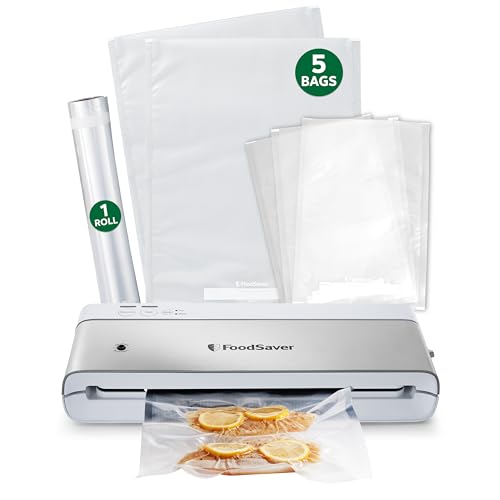
FoodSaver Compact Vacuum Sealer
The entry FoodSaver. It seals a dry bag reliably and struggles with anything wet, which is the honest limit of every cheap external sealer.

Anova Precision Vacuum Sealer
Small, cheap, and enough for anyone sealing a few portions at a time rather than breaking down a whole animal.
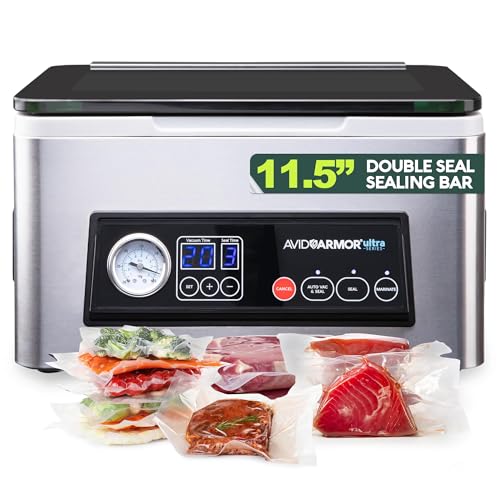
Avid Armor USV20 Chamber Vacuum Sealer
A chamber machine evacuates the whole box rather than sucking through the bag opening, which is the only way to seal soup, brine or a marinating steak without a mess.
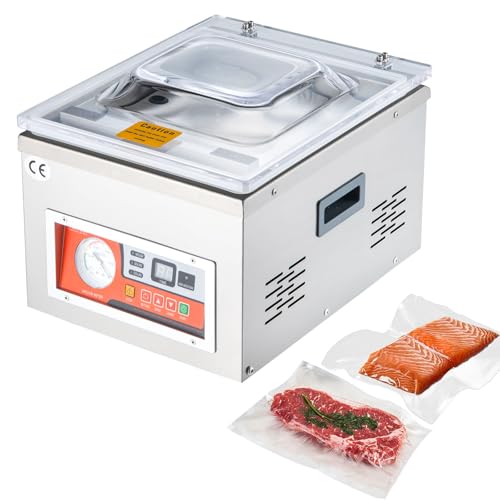
VEVOR Chamber Vacuum Sealer, 10.2 Inch
The cheapest genuine chamber machine worth owning, and the entry point at which sealing liquids stops being a fight.

Wevac Pre-Cut Vacuum Sealer Bags, Quart, 200 Count
Pre-cut quart bags are the right default for single portions: cutting from a roll costs you a seal at each end and about four inches of film.
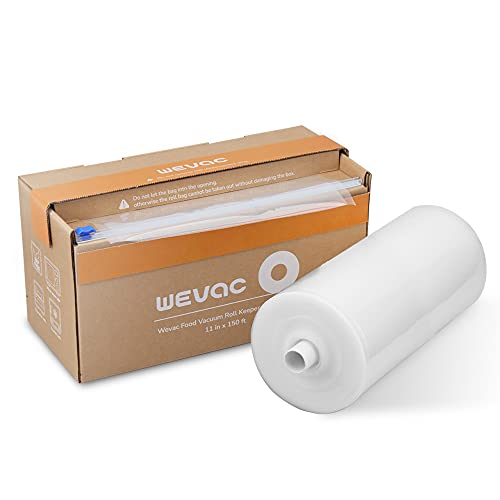
Wevac Vacuum Sealer Roll, 11 by 150 Inch
Buying roll stock by the 150 feet drops the per bag cost enough to change how freely you seal things.

Avid Armor Chamber Vacuum Sealer Pouches, 3.5 mil
Chamber bags are smooth and cheaper per bag than embossed film, and they only work in a chamber machine. Mixing the two up is the most common first week mistake.
Prices when last checked. They change often.
Frequently asked questions
Can I use a FoodSaver bag in a chamber sealer?
Yes, an embossed FoodSaver-style bag will seal in a chamber machine, since the chamber evacuates the whole box regardless of what the film looks like. It is just a waste of money, because chamber machines do not need the embossed channels that make that film cost more to produce. Save embossed rolls for an external sealer and buy smooth chamber pouches only for a machine that pulls air from the box rather than the bag.
Why does my external sealer sound like it is running but the bag never actually goes tight?
The most common cause is smooth film in a machine built for embossed film, which collapses at the nozzle before the vacuum reaches the rest of the bag. The second most common cause is food debris or moisture sitting in the sealing channel or gasket, which breaks the airtight clamp the pump needs to pull against. Wipe the gasket and channel dry, confirm the bag is embossed, and try again before assuming the pump has failed.
Do I need a different bag for sous vide than for freezer storage?
Not usually. Bags rated for sous vide are the same embossed or smooth film rated to handle the temperature of a water bath without breaking down, and most reputable rolls state this on the box. The distinction that matters more is chamber versus external film, not sous vide versus freezer, since either style survives a bath and a freezer equally well once it is properly sealed.
Is a vacuum sealed bag safe to leave at room temperature?
No. Removing the air creates an anaerobic environment, which is the condition Clostridium botulinum prefers, and neither sealer type changes that. Vacuum sealing extends how long food stays good in the refrigerator or freezer, it does not replace refrigeration, and food should not sit in the 40 F to 140 F danger zone for more than two hours total before or after sealing.
Why do some external sealers have a wet or moist setting?
A moist setting pulls a shorter, gentler vacuum specifically so a lightly marinated or moist piece of food does not get dragged into the nozzle the way it would under a full dry cycle. It buys some margin for a marinated steak or a damp cut of fish, but it does not turn an external sealer into a chamber machine, and actual liquid such as soup will still find its way toward the pump.
Does a more expensive external sealer seal any differently than a cheap one?
Not mechanically, both still pull air through the bag opening using an embossed channel. What the price buys is automatic bag detection, a stronger pump for back to back sealing sessions, wet and dry mode switching, and a housing that survives daily use. For occasional sealing of dry food, a basic machine does the identical physical job.
Sources
Published figures, quoted as published. We do not generate our own time and temperature data.
How we research: we compare manufacturer specifications, owner manuals, published USDA and FSIS figures and recurring themes in verified owner reviews. We do not cook test batches or run instruments, and nothing here is professional food safety advice. When a figure is not published by a source we trust, we say so rather than estimate one.