Best vacuum sealer
The best external vacuum sealer for most kitchens is the FoodSaver Vacuum Sealer with Automatic Bag Detection at $184.99, which senses the bag and switches between moist and dry settings automatically. For a smaller budget, the Anova Precision Vacuum Sealer at $74 handles the same core job for less.
An external, suction based sealer pulls air out through the open end of the bag rather than evacuating a sealed chamber, which makes it cheaper, smaller and worse with liquid than a chamber machine. For most kitchens sealing dry cuts of meat, sous vide bags and leftovers, that tradeoff is the right one, and FoodSaver auto at $184.99 is the pick: automatic bag detection removes the guesswork between moist and dry settings, which is the setting most people get wrong on a cheaper sealer and then blame on the bag.
The three tiers
Every roundup here is built as three genuinely different answers rather than one flat ranking, because that is how people actually shop: a first purchase, a considered upgrade, and a ceiling. The expert pick is not the best pick for most readers, and the section below says who should skip it.
Anova Precision Vacuum Sealer
At $74 it covers wet and dry modes and comes with ten pre cut bags, which is enough machine for anyone sealing a few portions at a time rather than breaking down a whole animal.
Skip it if: Skip it if you seal in long sessions. Small external sealers like this one are prone to a thermal cutout after several bags run back to back, which forces you to wait between batches.
Anova Precision Vacuum Sealer Pro
A genuine wet mode pulls a shorter, gentler vacuum than the dry cycle, which is what lets it handle a marinated steak without pulling the marinade into the pump, and it ships with a 19 foot bag roll.
Skip it if: Skip it if you regularly seal soup or a fully submerged marinade. Even a good wet mode on an external sealer is working around a liquid problem, not solving it the way a chamber machine does.
FoodSaver V4400 2-in-1 Vacuum Sealer
Built for back to back sealing sessions: it handles consecutive bags without the thermal cutout that stops cheaper units after four or five seals, and the 2 in 1 handheld attachment reaches into jars and canisters a full size bag never will.
Skip it if: Skip it if you seal a handful of bags a month. The session capacity and the handheld attachment are wasted on occasional use, and FoodSaver auto does the everyday job for less.
Gear that fits these numbers
The three picks side by side

Anova Precision Vacuum Sealer
Small, cheap, and enough for anyone sealing a few portions at a time rather than breaking down a whole animal.

Anova Precision Vacuum Sealer Pro
A wet mode that pulls a shorter, gentler vacuum is what lets an external sealer handle a marinated steak without sucking liquid into the pump.
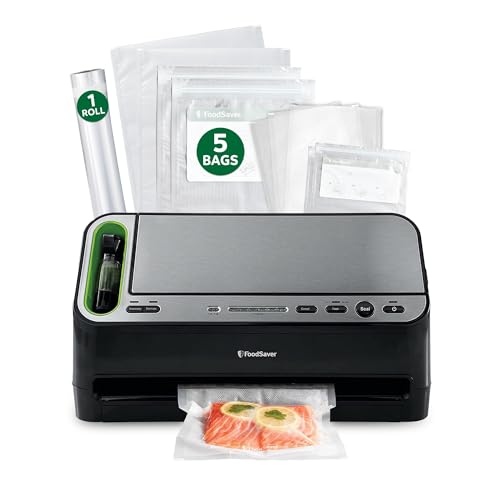
FoodSaver V4400 2-in-1 Vacuum Sealer
The one to buy if you seal in long sessions: it handles back to back bags without the thermal cutout that stops cheaper units after four or five seals.
Prices when last checked. They change often.
What is the difference between wet mode and dry mode?
Dry mode on an external sealer pulls a full, hard vacuum, which is correct for rice, jerky or a dry cut of meat and wrong for anything with visible moisture: a strong pull on a wet bag drags liquid straight into the pump. Wet mode, sometimes called moist mode, pulls a shorter, gentler vacuum specifically so a marinated steak or a portion with surface moisture seals without flooding the machine. Anova Sealer Pro and FoodSaver auto both offer a genuine wet setting; the cheapest sealers in this category often do not, which is the real gap between a $70 sealer and a $100 one.
Is automatic bag detection worth paying for?
FoodSaver auto senses whether a bag is dry or holds moisture and adjusts the cycle on its own, which removes the single most common mistake with a manual sealer: guessing wrong and wasting a bag on a seal that never formed. Nesco VS-12 takes a different, cheaper approach to the same underlying problem with a viewing window in the lid, so at least you can see the seal happening rather than guess at it blind. Automatic detection is worth the premium if you seal often enough that a wasted bag adds up; the viewing window is the budget answer to the same complaint.
| Model | Price | Wet mode | Notable feature |
|---|---|---|---|
| FoodSaver Compact Vacuum Sealer | $69.99 | No | Cheapest, dry bags only |
| Anova Precision Vacuum Sealer | $74 | Yes | Compact, ten pre cut bags included |
| Nesco VS-12 Deluxe | $133.99 | No | Viewing window in the lid |
| Nesco VS-15 FreshLock Pro | $120.75 | Yes | Stainless body, built in roll storage |
| Anova Precision Vacuum Sealer Pro | $100.99 | Yes | 19 ft bag roll included |
| FoodSaver Automatic Bag Detection | $184.99 | Yes, automatic | Senses bag type on its own |
| FoodSaver V4400 2-in-1 | $234.99 | Yes | Handheld attachment, cooled between seals |
When should you actually buy a chamber sealer instead?
An external sealer is the wrong tool the moment liquid is genuinely part of what you are sealing rather than surface moisture on a steak: soup, a fully submerged marinade or brine will get pulled into the pump no matter how good the wet mode is. That is a chamber machine's job. If dry cuts, sous vide portions and the occasional marinated piece cover most of what you seal, an external sealer like FoodSaver auto is the right call and the better value.
Which bags does an external sealer actually need?
External sealers require embossed, channeled film. The raised ridges are what let the pump pull air out through the bag opening at all; a smooth chamber bag in a suction machine simply never evacuates. Wevac quart bags pre-cut bags are the right default for single portions, since cutting from a roll wastes a seal and several inches of film at both ends. Wevac 150 ft roll roll stock drops the per bag cost once you are sealing regularly enough for that to matter.
What happens when you seal a lot of bags back to back?
Every external sealer builds heat in its sealing strip during use, and cheaper machines like FoodSaver Compact and Anova Sealer are built around occasional use: after four or five bags in a row, a thermal cutout stops the machine so the strip can cool, which is a protective feature rather than a defect, but it is a real interruption if you are breaking down a large grocery order or portioning a bulk meat purchase. FoodSaver V4400 is built specifically around that scenario, with a cycle designed to cool between seals so it can run through a long session without stopping. If a big batch session happens once a month rather than every week, the cheaper machines are still the better value, since the wait between seals is a minor inconvenience rather than a daily frustration.
Is it safe to vacuum seal food for the refrigerator or freezer?
Vacuum sealing slows spoilage and stops freezer burn by removing the air that carries moisture loss and oxidation, but a sealed bag is also an anaerobic environment, meaning no oxygen reaches the food inside. That is the specific condition Clostridium botulinum needs to grow, so vacuum sealing is a storage upgrade, not a substitute for refrigeration. Seal food that is already cold or fully cooked and cooled, refrigerate or freeze it promptly, and do not treat a vacuum seal as extending how long food can safely sit at room temperature. This applies just as much to sous vide portions sealed for the freezer as it does to leftovers: a vacuum bag holds a set temperature more evenly once cooking starts, it does not make the food safe to hold before or after the cook at room temperature.
How we chose
Every price, mode and feature above was researched from manufacturer specifications and the verified marketplace listings behind each product, not from sealing bags in a kitchen ourselves. Where a common failure point, such as a thermal cutout during long sessions, is mentioned, it reflects a recurring theme across verified owner reviews rather than a test we ran.
Gear that fits these numbers
Everything mentioned on this page
Anova Precision Vacuum Sealer
Small, cheap, and enough for anyone sealing a few portions at a time rather than breaking down a whole animal.
Anova Precision Vacuum Sealer Pro
A wet mode that pulls a shorter, gentler vacuum is what lets an external sealer handle a marinated steak without sucking liquid into the pump.
FoodSaver V4400 2-in-1 Vacuum Sealer
The one to buy if you seal in long sessions: it handles back to back bags without the thermal cutout that stops cheaper units after four or five seals.
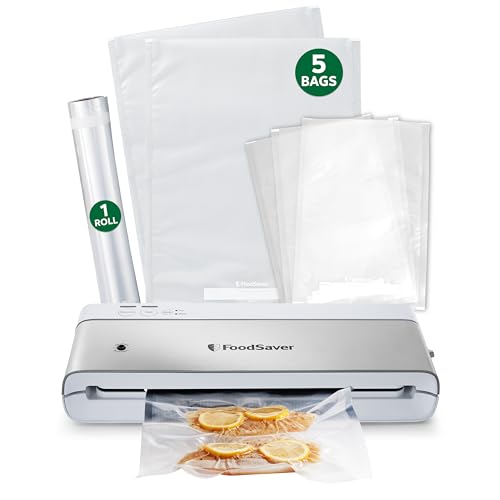
FoodSaver Compact Vacuum Sealer
The entry FoodSaver. It seals a dry bag reliably and struggles with anything wet, which is the honest limit of every cheap external sealer.

Nesco VS-12 Deluxe Vacuum Sealer
A viewing lid sounds trivial until you have wasted three bags on a seal that started a centimetre off the edge.

Nesco FreshLock Pro VS-15 Vacuum Sealer
Stainless body and a genuine moist setting at a price well under the equivalent FoodSaver, which is the reason Nesco keeps turning up in serious kitchens.

Wevac Pre-Cut Vacuum Sealer Bags, Quart, 200 Count
Pre-cut quart bags are the right default for single portions: cutting from a roll costs you a seal at each end and about four inches of film.
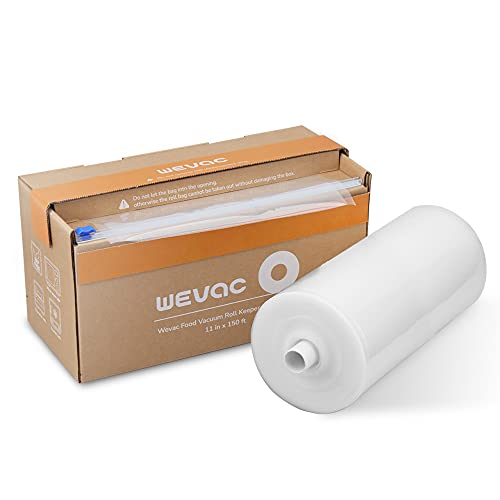
Wevac Vacuum Sealer Roll, 11 by 150 Inch
Buying roll stock by the 150 feet drops the per bag cost enough to change how freely you seal things.
Prices when last checked. They change often.
Frequently asked questions
What is the best external vacuum sealer overall?
The FoodSaver Vacuum Sealer with Automatic Bag Detection at $184.99 is the best overall pick. It senses whether a bag holds moisture and switches between moist and dry cycles on its own, which removes the guessing that wastes bags on a failed seal and is the feature most consistently mentioned in verified owner reviews.
What is the cheapest vacuum sealer that actually works well?
The Anova Precision Vacuum Sealer at $74 is the best value entry point. It includes a genuine wet mode alongside the standard dry cycle and ships with ten pre cut bags, covering both dry storage and lightly moist food like a marinated portion without the premium of an automatic detection model.
What is the difference between wet mode and dry mode on a vacuum sealer?
Dry mode pulls a full, strong vacuum meant for rice, jerky or a dry cut of meat. Wet mode, sometimes labeled moist, pulls a shorter and gentler vacuum specifically so a marinated or surface moist portion seals without pulling liquid into the machine's pump. Using dry mode on a wet bag is the most common reason a cheap sealer fails.
Can an external vacuum sealer handle soup or a liquid marinade?
Not reliably. An external sealer pulls air through the open end of the bag, and any real quantity of liquid gets pulled along with it into the pump. A wet mode helps with surface moisture on something like a marinated steak, but fully liquid contents like soup or a submerged brine need a chamber vacuum sealer, which evacuates the whole sealed bag from outside instead.
What bags work in an external vacuum sealer?
External sealers need embossed, channeled film, not the smooth bags made for chamber machines. The raised channels give the pump a path to pull air out through the bag opening; a smooth chamber bag placed in a suction sealer will not evacuate at all. Pre cut bags suit single portions, and roll stock lowers the per bag cost for regular use.
Does vacuum sealing make food safe to leave out at room temperature?
No. Vacuum sealing removes air, which slows spoilage and prevents freezer burn, but the sealed bag is an anaerobic environment where Clostridium botulinum can grow if food sits too long in an unsafe temperature range. Refrigerate or freeze vacuum sealed food promptly, and treat the seal as a storage improvement rather than a safety measure on its own.
Sources
Published figures, quoted as published. We do not generate our own time and temperature data.
How we research: we compare manufacturer specifications, owner manuals, published USDA and FSIS figures and recurring themes in verified owner reviews. We do not cook test batches or run instruments, and nothing here is professional food safety advice. When a figure is not published by a source we trust, we say so rather than estimate one.