Ninja Creami re-spin guide: fixing a crumbly or icy pint
A crumbly Ninja Creami pint is almost always a composition problem, not a freezing problem: the fix is to add about a tablespoon of milk and run the re-spin program again, since a longer freeze does nothing for a base that was already frozen completely solid.
The instinct when a pint comes out of a Ninja Creami crumbly, powdery, or full of ice shards is to blame the freezer, and that instinct is almost always wrong. If the pint was frozen flat and level for the full 24 hours, it was already as solid as it was going to get, and a second trip through the freezer changes nothing about what is dissolved in the base. What actually failed is the composition: not enough fat, sugar or milk solids to keep ice crystals small and the mixture workable once the blade cuts through it. The fix for that is liquid and a second pass, not more time in the cold.
Why is a crumbly pint a composition problem instead of a freezing problem?
Total solids under about 32 percent is the usual signature of a crumbly or icy pint, and total solids is set entirely by what went into the base before it ever saw the freezer. Fat coats forming ice crystals and keeps them small; sugar depresses the freezing point and keeps part of the base from locking into hard ice at all. A base short on both lets large, coarse ice crystals form throughout the full 24 hour freeze regardless of how cold or how long that freeze runs, because the freezer's job was only ever to remove heat, not to add the fat and sugar that were never in the recipe. See the base guide for how total solids is calculated and what a balanced base looks like in grams.
What is the actual fix, step by step?
Add about a tablespoon, roughly 15 milliliters, of milk or cream directly on top of the spun result, then run the machine's dedicated re-spin program rather than a full spin from scratch. The re-spin program works the blade back through the pint at a setting meant for an already processed texture, and the added liquid gets distributed through the existing ice crystals during that pass, softening and binding what is already there instead of needing to refreeze and reprocess the whole pint. This works because the underlying problem was a shortage of liquid fat and dissolved sugar relative to ice, and a small amount of milk addresses exactly that shortage without diluting the base significantly.
| Symptom | Likely cause | Fix |
|---|---|---|
| Crumbly, powdery texture | Total solids below about 32 percent | Add a tablespoon of milk, run the re-spin program |
| Icy shards after spinning | Not enough fat or sugar to control crystal size | Re-spin with added milk; adjust the recipe for the next batch |
| Never firms up, stays soupy | Total solids above about 45 percent | Let it rest a few minutes in the freezer; this batch may not have a fix |
| Blade struggled or stalled mid-spin | Pint not frozen completely solid, or not level | Refreeze fully level for a complete 24 hours before spinning again |
Which bases should I just expect to need a re-spin on?
Protein bases and low sugar bases are the worst case for this machine, and needing a re-spin on them is normal rather than a sign something went wrong. Protein powder typically replaces some of the fat and sugar a standard base would carry with protein solids that do not contribute the same freezing point depression or crystal control, which pushes total solids toward or below the 32 percent threshold even in a carefully weighed recipe. The same applies to any recipe built around cutting sugar for a lower calorie result. Planning for one re-spin on these bases, whether made in the original Creami or the XL Deluxe, is realistic rather than pessimistic.
Does re-spinning too many times ruin the texture?
Yes, past a point. One re-spin, especially with a small amount of added liquid, usually resolves a crumbly result without any downside. Repeated re-spins without adding liquid mostly just chop the same limited amount of ice into finer pieces, and the friction from repeated blade passes adds a small amount of heat to the pint each time, which can eventually push a base from crumbly straight past smooth into soupy and starting to melt. If a pint is still not right after one re-spin with added milk, stop, refreeze it solid, and try again rather than running the program a third or fourth time in a row.
Is a pint that partly thawed and got refrozen still safe to eat?
This depends entirely on how long it was actually above freezing, and it is worth treating as a genuine food safety question rather than only a texture one. A pint that softened for a few minutes on the counter before spinning, then went back in the freezer promptly, was never in any real danger, since it likely never left refrigerator range. A pint that sat out, or sat in a freezer that failed or was left ajar, long enough to rise into the 40 F to 140 F danger zone for more than the published two hour limit should be discarded rather than refrozen and re-spun, regardless of how it looks or tastes afterward, because dairy that spent real time in that range can support bacterial growth that a second freeze does not reverse.
Can I just add sugar or cream instead of milk to fix a bad batch?
Milk is the specific recommendation because it is mostly water with a modest amount of fat and lactose, so a tablespoon nudges the base's fat and sugar contribution slightly upward while adding enough liquid for the re-spin blade to work with, without meaningfully changing the recipe's overall flavor or richness. Straight sugar or heavy cream can technically raise total solids too, but in larger, less predictable amounts relative to how little liquid the re-spin actually needs, and they change the finished flavor more than a small splash of milk does. If a base consistently needs fixing, the better long term move is adjusting the recipe itself using the ice cream base calculator rather than compensating after the fact every time.
Gear that fits these numbers
Everything mentioned on this page
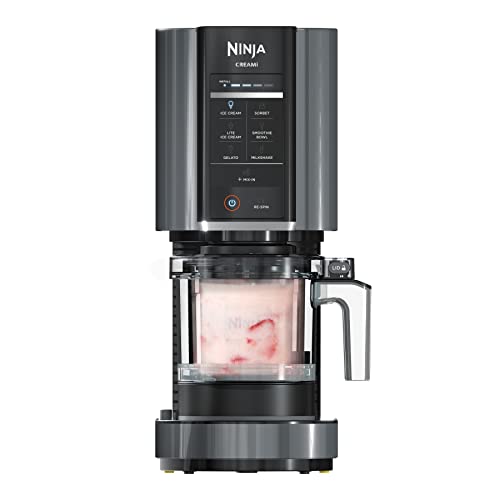
Ninja CREAMi 7-in-1 Ice Cream Maker
The original CREAMi. It does not churn: it freezes a pint solid, then shaves it, which is why the freeze step is 24 hours and not negotiable.

Ninja CREAMi XL Deluxe 11-in-1
XL tubs hold 24 ounces against the standard 16, which is the difference between one dessert and four.
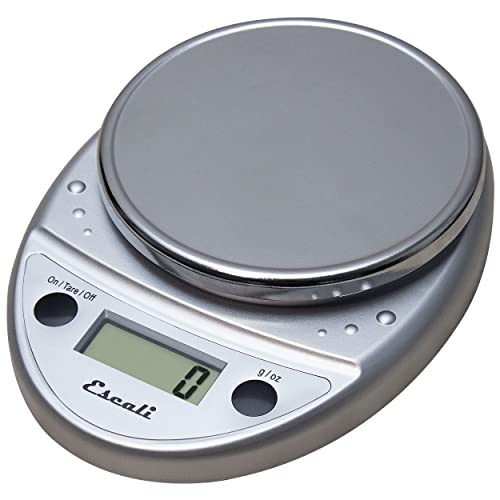
Escali Primo Digital Kitchen Scale
The default cheap kitchen scale. One gram resolution is fine for brines and useless for espresso.

Freshware 32 Ounce Deli Containers, 24 Sets
Where ice cream bases, brines and stock live between steps. Cheap enough that you stop rationing them.
Prices when last checked. They change often.
Frequently asked questions
How much milk should I add for a re-spin?
About a tablespoon, roughly 15 milliliters, poured over the top of the spun pint before running the re-spin program is the usual starting point. A very crumbly or icy result can take slightly more, added a small amount at a time, since it is easier to run a second short re-spin than to recover from a pint turned soupy by too much added liquid at once.
Can I use water instead of milk for a re-spin?
It works mechanically, since the re-spin blade mainly needs some liquid to work with, but water contributes no fat or sugar back to the base, so it only dilutes rather than improves the underlying total solids problem. Milk or cream is the better choice because it adds a small amount of fat and sugar along with the needed liquid, nudging the composition in the right direction instead of just thinning it.
Why does my protein ice cream need a re-spin almost every time?
Protein powder displaces some of the fat and sugar a standard base would normally carry, and protein solids do not lower the freezing point or coat ice crystals the way fat and sugar do, which tends to keep total solids near or below the 32 percent threshold even in a carefully measured recipe. Expect a re-spin with added milk as a normal step for protein bases rather than a sign the recipe failed.
My pint softened on the counter before I noticed. Do I need to throw it out?
Usually not. A few minutes of softening on the counter before spinning is normal and does not put dairy meaningfully into the danger zone. The concern is a pint that actually sat out, or sat in a failed freezer, long enough to rise above 40 F for more than two hours total, at which point it should be discarded rather than refrozen and re-spun, since that much time in warmer temperatures is a genuine food safety question, not just a texture one.
Is there a limit to how many times I can re-spin one pint?
Practically, one or occasionally two re-spins with added liquid is the useful range. Beyond that, repeated blade passes without adding fat or sugar mostly just grind the same ice finer and add a small amount of friction heat each pass, which can push a pint from crumbly toward soupy rather than fixing it. If two re-spins have not worked, refreeze solid and treat it as a recipe to adjust next time rather than a pint to keep processing.
Does a longer freeze fix a crumbly pint if 24 hours did not work?
No. Once a pint is fully frozen solid, it cannot become more frozen, and extra time in the freezer does not add fat, sugar or milk solids that were never in the recipe. A crumbly result after a full 24 hour freeze is a composition problem, and the fix is either the re-spin program with a small amount of added milk for this batch, or adjusting the fat and sugar percentages in the recipe for the next one.
Sources
Published figures, quoted as published. We do not generate our own time and temperature data.
How we research: we compare manufacturer specifications, owner manuals, published USDA and FSIS figures and recurring themes in verified owner reviews. We do not cook test batches or run instruments, and nothing here is professional food safety advice. When a figure is not published by a source we trust, we say so rather than estimate one.