Anova Nano review: the $68.00 way to find out if sous vide fits your kitchen
The Anova Precision Cooker Nano 2.0 is a 750 watt Bluetooth immersion circulator priced at $68.00, built for baths up to about 8 quarts, and it is the cheapest way to find out whether sous vide cooking is worth adding to a kitchen at all.
The Anova Precision Cooker Nano 2.0 costs $68.00, which is less than half the price of the full size Anova Precision Cooker 3.0 at $169.00. It trades wattage and WiFi for a lower price and a smaller footprint, and it is aimed squarely at someone who has never owned a circulator and does not want to spend $150.00 to find out whether they like the results. We have not tested this unit in person; the wattage, connectivity and bath size figures below come from Anova's published specifications and the manual, checked against patterns that repeat across owner reviews.
What does $68.00 actually get you here?
The Nano trims two things from the more expensive Anova models: wattage and connectivity range. It runs a 750 watt element against the 1100 watts on the 3.0, and it pairs over Bluetooth rather than WiFi, meaning the phone controlling it has to stay in range of the device directly rather than reaching it over a home network from another room. What it keeps is the same core promise of precision circulation: a small pump keeps water moving so the whole bath sits at one even temperature rather than the hot-near-the-element gradient a stockpot on a stove produces.
| Specification | Value |
|---|---|
| Power | 750 W |
| Control | Bluetooth |
| Bath size | Up to 8 qt |
| Price | $68.00 |
Is 750 watts actually a real limitation, or just a smaller number?
It is a real limitation, but a narrow one. A 750 watt element takes longer to bring a bath back up to temperature after cold food goes in than the 1100 watt units, and it struggles more in a wide or uncovered container where heat escapes fast. For a single steak or two chicken breasts in a covered container, the gap barely matters because there is not much cold mass to warm up. For a full dinner's worth of bagged food, or a large cut like a chuck roast, the slower recovery becomes noticeable, particularly if the container has no lid and the kitchen is cool. The sous vide time calculator estimates come-up time by thickness rather than by circulator wattage, so pair that figure with a smaller batch size when using the Nano rather than assuming the numbers scale down evenly with a bigger cut.
- 750 W handles a covered 6 to 8 qt bath comfortably for one or two portions
- Recovery after adding cold food is slower than on the 1100 W models, most noticeably without a lid
- An 8 qt container such as a standard stockpot is close to the practical ceiling before circulation and recovery both suffer
Bluetooth versus WiFi: does it matter for how you actually cook?
For most first-time buyers, less than the spec sheet suggests. Bluetooth range covers a kitchen and usually the adjoining room, which is enough to check a cook from the living room or start it while still at the stove. What it does not do is let you check on the bath from work or from bed two floors away, which is where a WiFi-connected circulator like the Anova 3.0 pulls ahead. If remote monitoring genuinely matters, the Inkbird ISV-100W is a full 1000 watt WiFi circulator for $95.99, which is a smaller jump in price than moving all the way to the Anova 3.0 and still adds the range Bluetooth cannot offer.
What does the smaller clip actually cost you in stability?
The Nano's clamp is scaled down to match its smaller body, which means it grips a narrower range of pot wall thickness than the clamps on full size circulators like the Anova 3.0. Most standard stockpots and dedicated sous vide containers fall inside that range without issue, but very thick-walled cookware or unusually shaped pots can leave the clip looser than owners expect, which shows up as the unit shifting slightly during a long cook rather than any failure of the heating element itself. The fix in most reported cases is switching to a straight-walled container in the 6 to 8 quart range the Nano is actually rated for, rather than trying to make it work in oversized cookware built for a bigger circulator. A dedicated container such as the EVERIE 12 quart container is larger than the Nano strictly needs, but its straight walls still give the clamp a more reliable grip than a curved or tapered stockpot would.
When should you skip the Nano for something cheaper or stronger?
Skip it for the Wancle Sous Vide Cooker at $43.99 if even $68.00 feels like too much to spend before knowing whether sous vide sticks: the Wancle drops the app entirely in favor of an on-device dial and display, which some buyers actually prefer since there is no account or pairing step at all. Skip it for the Anova Precision Cooker 3.0 at $169.00 if the household already cooks for four or more people regularly, or if remote WiFi control genuinely matters rather than being a nice-to-have.
Does the lower wattage change anything about food safety?
No. Pasteurization at a given sous vide temperature depends on time and temperature together, and those hold times come from the USDA FSIS Appendix A lethality tables regardless of which circulator is running the bath. What lower wattage changes is how long it takes the bath to reach that temperature in the first place, which is why confirming the bath has actually stabilized at the set point, rather than assuming it based on the timer, matters more on a smaller element. A basic instant read thermometer such as the ThermoPop 2 is a cheap way to spot-check the water itself before trusting the cook's clock to start.
What is the realistic total cost of starting with the Nano?
The $68.00 circulator is only part of the first purchase. A stockpot most kitchens already own covers the container for a first attempt, and reusable silicone bags at $19.99 avoid the added cost of a vacuum sealer entirely by using water displacement instead: pressing the open bag slowly into the water forces air out through the top before sealing it, which works fine for short cooks and vegetables even though it is not a proper vacuum. That combination keeps a first attempt at sous vide under $90.00 total, well below the cost of starting with a full circulator, dedicated container and vacuum sealer at once. Only after deciding sous vide is worth keeping does it make sense to add a dedicated container like the EVERIE 12 quart container or a real vacuum sealer, since both are upgrades to convenience rather than requirements to cook a first meal.
Who should actually buy the Anova Nano?
Someone buying their first circulator who wants to keep the initial spend low, cooks for one or two people most of the time, and is fine controlling the bath from the same room rather than remotely. Pair it with a stockpot already in the kitchen and reusable silicone bags to start, then add a dedicated container and a proper vacuum sealer once sous vide has proven itself as a regular part of how the household cooks rather than a one-time experiment.
Gear that fits these numbers
Everything mentioned on this page

Anova Precision Cooker 3.0
The default full size circulator: enough wattage to bring a 12 quart bath up quickly and hold it, with app control for long overnight cooks.

Inkbird ISV-100W Sous Vide Cooker
Full wattage at roughly half the price of the name brands, with a waterproof body that survives the splash a clamped circulator eventually takes.

Wancle Sous Vide Cooker
No app, no account, just a dial and a display. If the phone requirement on the Joule bothers you, this is the answer at the budget end.

EVERIE 12 Quart Sous Vide Container with Hinged Lid
A lid cut for a circulator is the single upgrade that makes long cooks practical: it stops evaporation, which is what drops the water line and trips a low water alarm at hour nine.
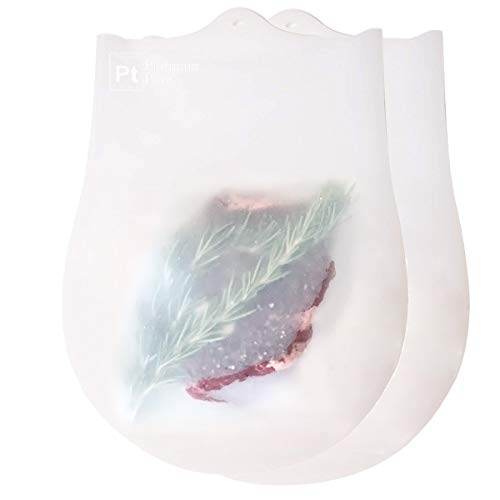
Platinum Pure Reusable Sous Vide Bags, 2 Pack
For water displacement cooking without a sealer at all. Fine for short cooks and vegetables, not the right call for a long anaerobic cook where you want a proper vacuum.
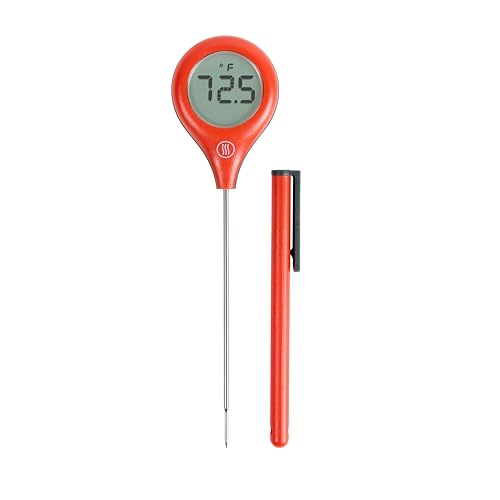
ThermoWorks ThermoPop 2
A third of the Thermapen price for most of the useful accuracy. The right pick if you are buying your first real thermometer.
Prices when last checked. They change often.
Frequently asked questions
How far away can the phone be from the Anova Nano and still control it?
Bluetooth range typically covers a kitchen and the immediately adjoining room, roughly the same distance a wireless speaker or headset would reach reliably. It does not connect through a home WiFi network, so checking or starting a cook from another floor, a different building, or while away from home is not possible on this model the way it is on WiFi-connected circulators.
Can the Anova Nano handle a large cut like a whole chicken or a big roast?
It can, but recovery time after the cold food goes in will be noticeably slower than on a higher wattage circulator, and a large cut in a small 8 quart bath leaves little room for water to circulate around it. A wide, well insulated container helps, but a full size roast is closer to the edge of what this model was designed for than a couple of steaks or chicken breasts.
Is the Anova Nano accurate enough for pasteurizing chicken breast at a lower temperature?
The circulator is built to hold a set temperature precisely, which is the mechanical part of pasteurization. The hold time still needs to come from the USDA FSIS Appendix A lethality tables for the chosen temperature, since a lower temperature always requires a longer hold to reach the same safety margin, regardless of which circulator is running the bath.
What is the real price difference between the Nano and the Anova 3.0?
The Nano costs $68.00 and the 3.0 costs $169.00, a gap of $101.00 that buys nearly 50 percent more wattage, WiFi instead of Bluetooth-only control, and a larger practical bath size. That gap is worth paying once sous vide has become a regular habit rather than an experiment, but not before.
Does the Nano come with a container or a vacuum sealer?
No, it is sold as a standalone circulator that clamps to an existing pot. A container, lid and a way to seal food, whether a vacuum sealer or reusable water-displacement bags, are separate purchases that most new owners underestimate the cost of when budgeting for a first sous vide setup.
What pots will the Anova Nano's clamp actually fit?
Most standard stockpots and straight-walled containers in the 6 to 8 quart range fit the Nano's smaller clamp without issue. Very thick-walled cookware or containers with sloped or tapered sides can leave the clip looser than intended, which shows up as slight movement during a long cook rather than any problem with the heating element. Switching to a straight-walled container fixes the issue in most reported cases.
Can two Anova Nano circulators run in the same bath for more capacity?
Anova's own larger circulators, not the Nano, are the intended path for bigger bath volumes, and running two smaller circulators in one container is not how the Nano was designed to be used or supported. A household that regularly needs more than the Nano's roughly 8 quart practical ceiling is better served by upgrading to a single higher wattage circulator like the Anova 3.0 than by combining two Nanos.
Does the Anova Nano work with reusable silicone bags instead of a vacuum sealer?
Yes, water displacement sealing with reusable silicone bags is a common first setup with the Nano, since it avoids the added cost of a vacuum sealer while starting out. Pressing the open bag slowly into the bath forces most of the air out before sealing, which works well for short cooks and vegetables, though it is not a true vacuum and is not the right method for a long cook that needs a tight seal to prevent floating.
Sources
Published figures, quoted as published. We do not generate our own time and temperature data.
How we research: we compare manufacturer specifications, owner manuals, published USDA and FSIS figures and recurring themes in verified owner reviews. We do not cook test batches or run instruments, and nothing here is professional food safety advice. When a figure is not published by a source we trust, we say so rather than estimate one.