Ninja AutoBarista Pro review: a bean to cup machine, not a better Breville
The Ninja AutoBarista Pro (model AE1051) is a fully automatic bean to cup espresso machine priced at $949.99 with 13 one-touch drink options, meaning it grinds, doses, tamps, brews, and steams milk with no user input, which is a different design philosophy from a semi automatic machine rather than a more advanced version of one.
The Ninja AutoBarista Pro costs $949.99 and answers a specific question: what if espresso required pressing one button instead of learning to grind, dose, tamp, and steam by hand? It grinds beans, doses the correct amount, tamps the puck, pulls the shot, and steams milk automatically for each of its 13 preset drinks, with no manual steps in between. That makes it the wrong comparison point for a semi automatic machine like a Breville or a Gaggia, since the two categories are solving different problems for different people. We have not tested this unit in person. The specifications and automation behavior below come from Ninja's published listing and manual, checked against patterns that repeat across owner reviews.
What does $949.99 actually buy on the AutoBarista Pro?
The AutoBarista Pro is a bean to cup machine, a category that keeps whole beans in a built in hopper and handles every step between bean and finished drink internally: grinding to the correct fineness, dosing the right amount of grounds, tamping the puck with consistent pressure, brewing at the correct pressure and temperature, and steaming or texturing milk for drinks that need it. All 13 presets, from a straight espresso to a full latte, run through this same automated chain with a single button press. Nothing about the process is manual, which is the entire design premise rather than a missing feature.
- 13 one-touch drink presets covering espresso through milk-based drinks
- Fully automatic grind, dose, tamp, brew, and steam, with no user input at any step
- Built in bean hopper rather than a portafilter loaded by hand
| Specification | Value |
|---|---|
| Drinks | 13 one-touch presets |
| Type | Fully automatic, bean to cup |
| Model | AE1051 |
| Grinding | Built in, automatic dosing |
| Milk | Automatic steaming and texturing |
| Price | $949.99 |
What does "fully automatic" actually mean, and why is it not just a nicer semi automatic machine?
A semi automatic espresso machine, the category the Breville Barista Express and the Gaggia Classic Evo Pro both belong to, hands the grind adjustment, the dose, the tamp pressure, and often the milk texturing to the person operating it, with the machine only controlling water pressure and temperature during the shot itself. That is the entire appeal of a semi automatic machine to the people who buy one: dialing in a grind, feeling tamp pressure change the shot, and learning to texture milk by hand are the hobby, not an obstacle to a good drink. The AutoBarista Pro removes every one of those manual steps on purpose. It is not a semi automatic machine with training wheels or a beginner mode; it is a different category built for someone who wants a consistent espresso drink without learning or performing any of those steps themselves, every single time, from the same button.
How does this compare to the cheaper Ninja AutoBarista without "Pro" in the name?
The standard Ninja AutoBarista costs $899.99, about $50 less than the Pro, and offers 10 one-touch drink presets against the Pro's 13. Both machines share the same automatic grind, dose, tamp, brew, and steam chain, which means the underlying mechanism and drink quality are close between them; the gap is mostly in preset variety rather than a meaningfully different grinder or brew unit. Buy the standard AutoBarista instead if the extra three drink presets on the Pro do not cover anything the household actually orders; the $50 saved is real money for functionally the same automated experience.
Who should buy a semi automatic machine like the Breville Barista Express or the Gaggia instead?
The Breville Barista Express at $685.00 has a built in conical burr grinder but requires a manual tamp and a steam wand the owner has to learn to use, which is exactly the tradeoff someone who wants to develop actual barista skill should be looking for. The Gaggia Classic Evo Pro at $499.00 goes further in the manual direction: it includes no grinder at all, uses a commercial 58 mm portafilter, and depends entirely on the owner already having or buying a separate espresso grinder such as the Baratza Encore ESP. Buy either of these instead of the AutoBarista Pro if the process of grinding, tamping, and pulling a shot by hand is part of what you want from owning an espresso machine, or if a lower price matters more than full automation. Buy the AutoBarista Pro if the goal is simply a consistent drink from a single button with no interest in performing the steps yourself.
Gear that fits these numbers
Everything mentioned on this page
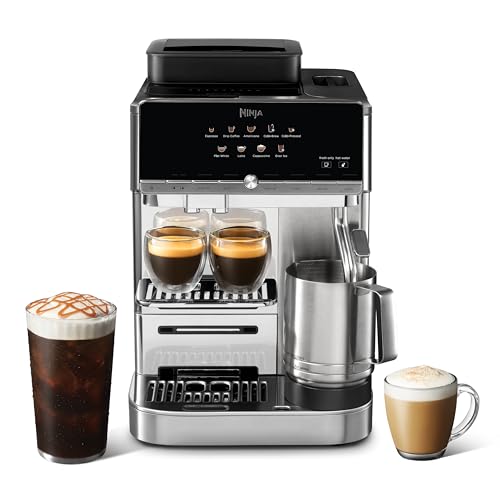
Ninja AutoBarista Fully Automatic Espresso
The AutoBarista with three fewer drink presets. Same grinder and brew unit, so the gap is narrower than the price gap suggests.

Breville Barista Express Espresso Machine
The machine that made home espresso normal. Built in grinder, manual tamp, and a steam wand you have to learn rather than a button.

Gaggia Classic Evo Pro Espresso Machine
A commercial 58 mm portafilter in a home machine, endlessly modifiable, and completely dependent on you owning a real grinder.

Baratza Encore ESP Coffee Grinder
The cheapest grinder that genuinely holds an espresso grind range. Below this, a good machine is fed by a grinder that cannot dial in.
Prices when last checked. They change often.
Frequently asked questions
Does the AutoBarista Pro require any manual steps at all to make a drink?
No. Pressing a single preset button starts a chain that grinds fresh beans, doses the correct amount, tamps the puck, brews at the set pressure and temperature, and steams or textures milk automatically for drinks that need it. There is no manual grinding, tamping, or milk steaming involved at any point in the process.
Is the AutoBarista Pro a better machine than a semi automatic like the Breville Barista Express?
Not better or worse, just built for a different goal. A semi automatic machine hands grinding, tamping, and often milk texturing to the person using it, which is the actual appeal for someone who wants to learn and control those steps. The AutoBarista Pro automates all of it specifically for someone who does not want to perform those steps themselves.
What is the real difference between the AutoBarista Pro and the standard AutoBarista?
The Pro offers 13 one-touch drink presets against 10 on the standard model, for about $50 more. Both use the same automatic grind, dose, tamp, brew, and steam chain, so the practical difference is mostly preset variety rather than a different grinder or brew mechanism underneath.
Can I adjust the grind setting or dose on the AutoBarista Pro myself?
The machine is built around automated dosing and grinding tuned to its presets, which is the point of a bean to cup design. Some bean to cup machines allow limited strength or grind adjustments through a menu, and the manual is the correct place to confirm what, if anything, is user adjustable on this specific model rather than assuming full manual control.
Does the AutoBarista Pro need special beans or can I use any whole bean coffee?
Bean to cup machines are generally designed to work with standard whole bean coffee loaded into the built in hopper, without requiring a specific brand. Very oily dark roast beans can affect hopper and grinder cleaning frequency on any bean to cup machine, which is worth checking in the manual regardless of which beans are used.
Is a fully automatic machine worth the higher price over a manual one for a household that just wants good coffee?
It depends on whether consistency with zero learned technique matters more than lower cost or the process of hand pulling a shot. A semi automatic machine like the Barista Express costs less and produces excellent espresso once the owner learns to dial it in; the AutoBarista Pro costs more specifically to remove that learning curve and any manual steps entirely.
Sources
Published figures, quoted as published. We do not generate our own time and temperature data.
How we research: we compare manufacturer specifications, owner manuals, published USDA and FSIS figures and recurring themes in verified owner reviews. We do not cook test batches or run instruments, and nothing here is professional food safety advice. When a figure is not published by a source we trust, we say so rather than estimate one.