Lacto-fermentation basics: salt percentage and the equipment that matters
Weigh the vegetable, salt it at 2.0 percent of that combined weight as your default, and skip added water entirely for a dry-salted ferment like sauerkraut, since the salt itself draws brine out of the vegetable. For 1,000 grams of shredded cabbage that is 20 grams of salt and no water added.
Lacto-fermentation runs on one number: salt as a percentage of weight, not a spoon measurement and not a percentage of water alone. For a dry-salted ferment such as sauerkraut, no water gets added at all, so the percentage is figured against the vegetable's own weight, and the salt itself pulls brine out of the cabbage or other vegetable until it is fully submerged in its own liquid. Get the percentage right with a scale like the Etekcity 0.1 gram scale, keep everything under the brine with a weight, and the rest of the process runs on its own with almost no supervision.
How is fermentation salt percentage actually calculated?
Salt percentage is measured against the combined weight of the vegetable plus any water added, never against the water alone. That distinction matters because most vegetable ferments, sauerkraut chief among them, add no water at all: the vegetable is salted directly, and the salt draws liquid out of the vegetable's own cells through osmosis until there is enough brine to submerge everything. In that case the vegetable's weight is the entire denominator. Only when a ferment does use added water, such as a whole cucumber pickle sitting in a brine rather than shredded cabbage salted directly, does the water weight get added to the vegetable weight before the percentage is applied.
- Dry-salted ferment (sauerkraut, shredded vegetables): percent of the vegetable weight alone, since no water is added
- Brine ferment (whole cucumbers, whole vegetables submerged in liquid): percent of vegetable plus water weight combined
- Example: 1,000 grams of cabbage at 2.0 percent needs 20 grams of salt and nothing else
- Weigh after trimming and shredding, not before, since trimmed weight is what you are actually salting
Which salt percentage should I actually use?
Two percent is the right default for a first batch of almost anything. The bands below trade speed for margin: a lower percentage ferments faster and tastes milder but leaves less room for error in a warm kitchen, while a higher percentage slows things down and firms up the texture, with less risk of unwanted growth along the way. Five percent is really a brine cure rather than a ferment in the usual sense, used for olives and other vegetables meant to keep for a long time rather than sour quickly.
| Salt percent | Result |
|---|---|
| 1.5 | Fast and mild, with less margin against unwanted growth |
| 2.0 | The usual default for sauerkraut and most vegetables |
| 2.5 | Slower and firmer, with more margin in a warm kitchen |
| 3.5 | Long keeping, traditional for cucumbers |
| 5.0 | A brine cure rather than a ferment, used for olives |
Why does salt make fermentation safe instead of just seasoning it?
Salt is selective. Lactic acid bacteria, the organisms that actually drive fermentation and produce the acid that preserves the vegetable, tolerate salt at these concentrations without much trouble. Many of the molds and other organisms that would otherwise spoil a jar of shredded cabbage do not tolerate the same salt level nearly as well, so salting at the right percentage tips the environment in favor of the bacteria you want and against the growth you do not. This is why the percentage is not just about taste: too little salt removes that selection pressure and gives unwanted organisms a real chance to get established before the lactic acid bacteria acidify the batch enough to take over on their own.
Does it matter what kind of salt I use?
Yes. Use plain salt without iodine and without anti-caking agents. Iodine can suppress the fermentation bacteria you are trying to encourage, and anti-caking agents can cloud the brine and settle out as sediment, which makes the jar look like something has gone wrong even when nothing has. Canning salt, pickling salt, and most coarse sea salts sold without additives all work; check the ingredient label rather than assuming, since some fine table salts include both iodine and an anti-caking agent by default.
What equipment actually matters for a first batch?
A scale, something to keep the vegetables submerged, and a lid that lets gas escape without letting air back in. A half gallon crock like Kenley's is the right size for a first batch, roughly one large cabbage, and it comes with weights and a pounder built in. Pickle Pipes turn an ordinary wide mouth mason jar into an airlocked ferment for less money, and stainless fermentation lids are the metal equivalent if you would rather not deal with silicone. Whatever the vessel, a set of glass fermentation weights is what actually keeps the vegetable under the brine, and that single job matters more than any other piece of equipment on this list. For a full head or two of cabbage at once, Kenley's 1 gallon crock holds twice what the half gallon size does in the same water-channel design, and for a batch bigger than that, a two gallon stoneware crock is the point where a real crock starts making more sense than jars. A larger 0.1 gram scale or a basic one gram scale both work for bigger batches where the percentage error from coarser resolution matters less in absolute terms.
Gear that fits these numbers
Everything mentioned on this page

Kenley Half Gallon Fermentation Crock
Half a gallon is about one large cabbage, which is the right first batch size before you find out whether you like sauerkraut enough to make gallons.

Kenley 1 Gallon Fermentation Crock
A water channel lid lets carbon dioxide escape while nothing gets back in, which is the whole trick of an open crock ferment.
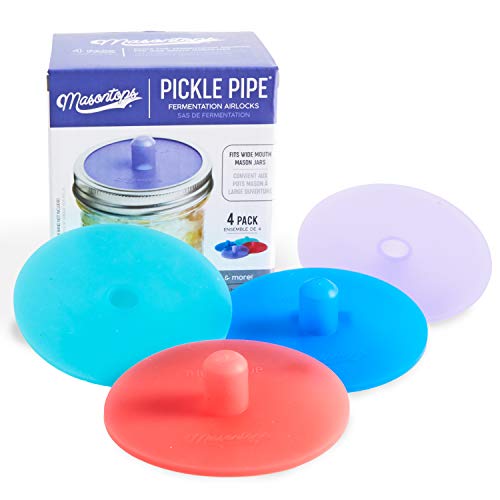
Masontops Pickle Pipes Airlock Fermentation Lids
A one piece silicone airlock with nothing to disassemble, which is why these survive in kitchens where three part airlocks get lost.
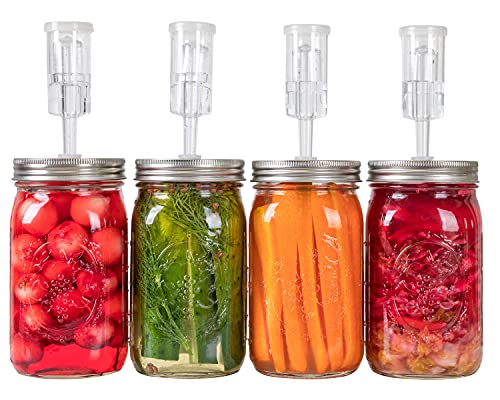
Jillmo Stainless Fermentation Lids, 4 Pack
Stainless rather than plastic, for brines acidic enough to matter over a long ferment.

SOLIGT Glass Fermentation Weights, 4 Pack
Anything above the brine grows mould. A weight is the cheapest insurance against losing a whole jar.
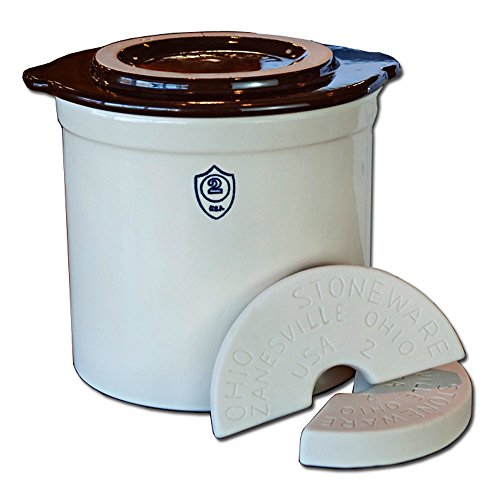
Ohio Stoneware 2 Gallon Crock Kit
Two gallons of American stoneware, for the point where you ferment by the case rather than by the jar.

BOMATA Large Kitchen Scale, 0.1 Gram
Tenth gram resolution across a full 11 pound range, which most precision scales give up.
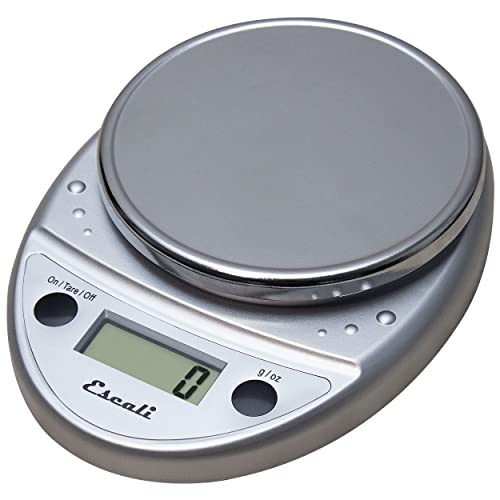
Escali Primo Digital Kitchen Scale
The default cheap kitchen scale. One gram resolution is fine for brines and useless for espresso.
Prices when last checked. They change often.
Frequently asked questions
Can I use table salt instead of a specialty fermentation salt?
Only if it is plain, without iodine and without an anti-caking agent added. Many table salts include both by default, and either one can interfere with a ferment: iodine can suppress the lactic acid bacteria driving the process, and anti-caking agents can cloud the brine and settle as sediment in the jar. Check the ingredient label rather than assuming, and pickling salt or canning salt is a safe default if you are unsure.
Do I really need a scale, or can I just use a spoon per head of cabbage?
A scale removes the guesswork that a spoon measurement cannot, since a head of cabbage can vary by a pound or more and salt percentage is calculated against actual weight, not a rough count of heads. A tenth-gram scale matters most on small batches, where a single gram of error changes the percentage by a noticeable amount. On larger batches the same absolute error matters less, but weighing is still faster and more repeatable than eyeballing a spoon.
How long does a vegetable ferment take to finish?
There is no fixed number of days, because kitchen temperature drives the pace more than anything else: a warm kitchen finishes in days, while a cool one can take weeks for the same jar. Judge doneness by taste and smell rather than by a calendar date, tasting every few days once bubbling starts, and stop the ferment by refrigerating it once it tastes the way you want.
Does the salt percentage change based on kitchen temperature?
The published bands are not built around a specific temperature, but a higher percentage within the range buys more margin in a warm kitchen, where unwanted organisms have an easier time getting established before the lactic acid bacteria take over. A cooler kitchen has more natural margin on its own, so a lower percentage in that range is a reasonable choice if a faster, milder ferment is the goal.
Is it safe to ferment vegetables in a plain mason jar with no airlock?
Yes, with a loose-fitting lid burped daily to release built-up gas, though an airlock lid is easier to manage since it vents carbon dioxide automatically without needing to be opened. What matters more than the lid style is keeping the vegetable fully submerged under the brine the entire time, since anything floating above the liquid is what actually leads to unwanted growth on top.
What happens if my cabbage does not release enough brine to cover itself?
This usually means the vegetable was not salted heavily enough or was not packed down firmly enough to break the cell walls and release liquid. Pack it down harder with a pounder or your fist to force out more of its own liquid, and give it a few hours before deciding more is needed. If it still will not cover, top it off with a small amount of brine mixed at the same percentage as the batch, using the equilibrium method rather than plain water.
Sources
Published figures, quoted as published. We do not generate our own time and temperature data.
How we research: we compare manufacturer specifications, owner manuals, published USDA and FSIS figures and recurring themes in verified owner reviews. We do not cook test batches or run instruments, and nothing here is professional food safety advice. When a figure is not published by a source we trust, we say so rather than estimate one.